

When choosing between Trezor and Ledger wallets, consider your needs. Trezor offers open-source software and robust security audits, making it ideal for beginners and security enthusiasts. Ledger supports more coins and has a slightly higher mobile app rating, catering to advanced users and traders. Both wallets provide insurance up to $250,000 and have competitive trading fees. Ultimately, your choice should align with your security priorities and user experience preferences, ensuring the best protection for your USD-based crypto investments.
Are you worried about the security of your cryptocurrency investments and unsure whether to choose Trezor or Ledger for your hardware wallet? With cyber threats on the rise, selecting a secure and reliable wallet is crucial for safeguarding your digital assets. Both Trezor and Ledger offer robust options, but understanding their differences in security protocols, user interface, and additional features can be overwhelming. This comparison will help you assess the strengths and weaknesses of each to ensure your choice aligns with your security needs and usability preferences, providing peace of mind for your crypto holdings.
| Feature | Trezor Wallet | Ledger Wallet |
|---|---|---|
| Trading Fees | 0.00% / 0.10% | 0.00% / 0.15% |
| Coins Supported | 1,600+ | 1,800+ |
| Security | Regulated, Insurance up to $250,000 | Regulated, Insurance up to $250,000 |
| Mobile App | 4.5/5 | 4.7/5 |
| Best For | Beginners & Security Enthusiasts | Advanced Users & Traders |
Security Features: Trezor vs Ledger Wallet
When choosing a self-custody tool for your crypto assets, security features are paramount. Trezor employs open-source software, which means its code is publicly available for scrutiny. This transparency allows developers and security experts alike to review, audit, and improve the software continuously. Trezor's commitment to regular security audits further strengthens its reputation, ensuring that vulnerabilities are identified and addressed promptly. For users who prioritize community-driven security, Trezor offers a compelling option.
On the other hand, Ledger utilizes a proprietary secure element chip technology found in models like the Ledger Nano X and Ledger Stax. This chip acts as a fortified barrier against unauthorized access, storing private keys in a secure environment that is resistant to malware attacks. The secure element is designed to withstand physical tampering and provides an extra layer of defense compared to standard hardware components. For those concerned about potential hacking attempts, Ledger's approach offers significant peace of mind.
Both wallets also provide options for recovery seeds and passphrases, essential features for asset recovery in case of device loss or damage. Trezor generates a 12-24 word recovery seed during setup, allowing users to restore their wallet easily if needed. Additionally, it supports the use of a passphrase as an extra layer of security—something that can significantly enhance protection against unauthorized access if someone gains control of the recovery seed.
Ledger also generates a recovery seed but distinguishes itself by allowing users to create a passphrase that can be combined with the seed for even greater security. This means that even if someone has both your recovery seed and device, they would still need the passphrase to access your assets. The combination of these features makes Ledger particularly appealing for users who want maximum control over their private keys and enhanced protection against theft.
In summary, both Trezor and Ledger offer robust security measures tailored to different user preferences. Whether you value open-source transparency or proprietary technology with advanced defenses will ultimately guide your choice between these two leading wallets.
User Experience: Navigating Trezor and Ledger Interfaces
When it comes to user experience, both Trezor and Ledger offer distinct interfaces that cater to different preferences. Trezor's web interface is intuitive and straightforward, making it easy for both beginners and experienced users to navigate. The mobile app complements this by allowing users to manage their assets on the go, with functionality that mirrors the web version. Setting up a Trezor device typically takes around 10 minutes, which includes initializing the device, creating a PIN, and writing down the recovery seed. This quick setup time is a significant advantage for those looking to start using their wallet without extensive delays.
On the other hand, Ledger's user interface revolves around its Ledger Live software, which provides robust functionality for managing various cryptocurrencies. Ledger Live allows users to send and receive assets seamlessly while also offering features like staking for certain coins. The software's clean design makes it easy to view balances, transaction histories, and even firmware updates. However, some users may find the initial setup slightly more complicated than Trezor due to additional steps involved in connecting the hardware wallet with the software.
Both wallets provide a secure environment for transactions, but their approaches differ. Trezor requires users to confirm transactions directly on the device screen, ensuring an added layer of security against phishing attempts. This process can be seen as slightly more cumbersome compared to Ledger's integration with Ledger Live, where users can review transactions on their screens before confirming them on the device. This difference in transaction confirmation methods may influence user preference based on how much they value security versus convenience.
Transaction Process Comparison
- Trezor: Users must manually verify each transaction on the device itself.
- Ledger: Transactions can be managed through Ledger Live with an overview of details before confirmation.
Ultimately, both devices excel in usability but cater to different user needs. Those who prioritize a quick setup and straightforward navigation might lean toward Trezor, while users who prefer an integrated software experience may find Ledger’s offerings more appealing. Understanding these differences is key when selecting the right self-custody tool for your cryptocurrency journey.
Supported Cryptocurrencies: Which Wallet Offers More Options?
When choosing between Trezor and Ledger, the range of supported cryptocurrencies is a key factor. Trezor wallets, including the Trezor Model T and Trezor Safe 5, are compatible with over 1,800 different coins and tokens. This extensive support covers major cryptocurrencies like Bitcoin (BTC), Ethereum (ETH), and Litecoin (LTC), as well as a wide array of altcoins. For users focused on a diverse portfolio, Trezor's offerings provide solid options for managing various assets securely.
On the other hand, Ledger takes the lead in terms of sheer volume. The Ledger Nano X and Ledger Stax support more than 5,500 cryptocurrencies, including numerous lesser-known tokens. This extensive library allows users to explore emerging projects and invest in niche markets that may not be available on other platforms. For crypto enthusiasts looking to capitalize on new trends or diversify their investments, Ledger’s broader selection is a significant advantage.
The importance of having a wide variety of supported coins cannot be overstated. A diverse portfolio mitigates risk by spreading investments across multiple assets. This strategy can lead to potential gains even if one or two coins underperform. Investors who prioritize diversity should consider which wallet aligns better with their investment strategy based on the available options.
Furthermore, both wallets regularly update their firmware to support new tokens and improve security features. Users can expect ongoing enhancements that keep pace with the fast-evolving cryptocurrency market. Whether you choose Trezor or Ledger, it's essential to stay informed about updates to ensure access to the latest coins while maintaining security for your digital assets.
Ultimately, your choice may come down to specific investment needs. If you’re primarily investing in established cryptocurrencies, Trezor’s offerings might suffice. However, if you’re keen on exploring a wider range of options—including emerging tokens—Ledger is likely the better fit.
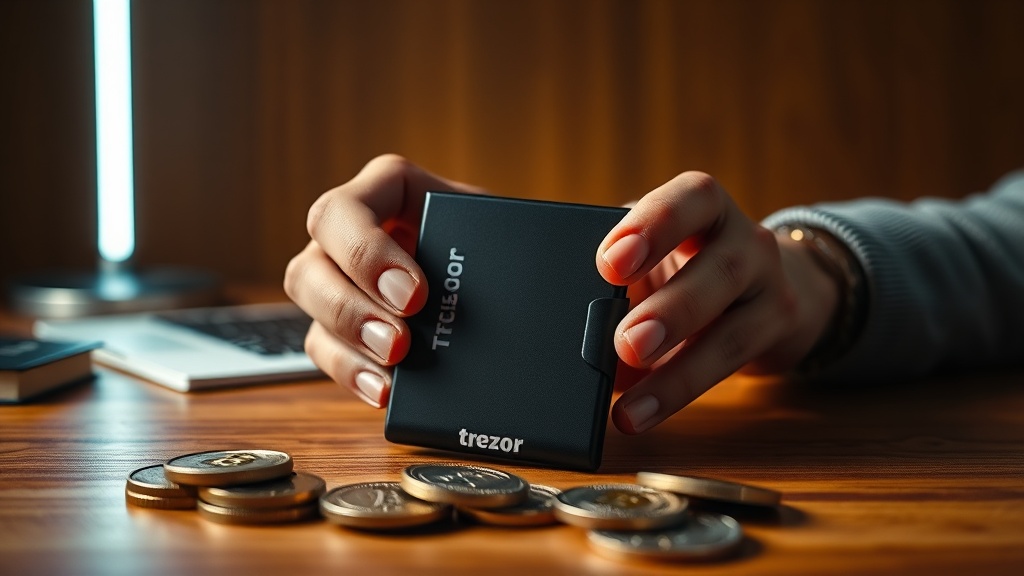
Pricing Comparison: Trezor vs Ledger Wallet Costs
When it comes to choosing between Trezor and Ledger, the pricing of their devices is a significant factor to consider. The Trezor Model T, known for its advanced features and touchscreen interface, is priced around $219. This model offers robust security features, making it a popular choice among crypto enthusiasts. In contrast, the more budget-friendly Trezor Safe 3 retails for approximately $69. While it lacks some of the advanced functionalities of the Model T, it still provides essential security for managing cryptocurrencies.
On the Ledger side, the Ledger Nano X is priced at about $149 and is well-regarded for its Bluetooth connectivity, allowing users to manage their assets on-the-go via mobile devices. Alternatively, the newer Ledger Stax comes at a premium price point of $249. This model features a sleek design and an intuitive touchscreen interface, positioning itself as a modern option in the hardware wallet market. Both Ledger devices support a wide range of cryptocurrencies, which adds to their appeal.
Warranty and customer support are also crucial considerations when evaluating these wallets. Trezor offers a two-year warranty on both the Model T and Safe 3, along with responsive customer support that includes detailed online resources and guides. Users often find Trezor's support helpful for troubleshooting issues or understanding device functionalities.
Ledger provides a similar two-year warranty on both the Nano X and Stax models, but customer experiences can vary. While some users praise their support services, others have reported delays in response times. This inconsistency might influence your decision if reliable customer service is important to you.
Summary of Pricing
- Trezor Model T: ~$219
- Trezor Safe 3: ~$69
- Ledger Nano X: ~$149
- Ledger Stax: ~$249
Ultimately, your choice may depend on your budget and desired features. Each wallet offers unique advantages that cater to different user preferences—whether you prioritize advanced functionality or cost-effectiveness.
Which Wallet is Best for Your Needs? A Decision Guide
Choosing the right key store comes down to understanding your experience level and what you prioritize—security, usability, or a combination of both. Beginners may find themselves overwhelmed by the complexities of managing digital assets, making a user-friendly option essential. If you’re just starting out, the Trezor Safe 3 is an excellent choice due to its straightforward interface and robust security features that don’t require advanced knowledge. Its simplicity helps new users navigate the crypto landscape without getting lost in technicalities.
For intermediate users who have a grasp of basic concepts but want more control, the Ledger Nano X offers a balance between security and usability. With its Bluetooth capability, it allows for seamless interaction with mobile devices while still maintaining a high level of protection against hacking attempts. This model also supports a wider range of cryptocurrencies compared to entry-level options, making it suitable for those looking to diversify their portfolio without sacrificing ease of use.
Advanced users, on the other hand, often prioritize security above all else and may prefer devices like the Trezor Model T or Ledger Stax for their comprehensive security measures and advanced features. These models come with additional functionalities such as customizable settings and advanced backup options, catering to users who are comfortable managing their own security protocols. They provide peace of mind for those holding significant amounts of cryptocurrency over the long term.
Security vs. Usability Trade-offs
When evaluating your options, consider that higher security often comes with decreased usability. More complex features may require deeper technical knowledge, which can be daunting for less experienced users. Conversely, while more user-friendly devices can simplify management tasks, they might not offer the same level of protection against sophisticated attacks. Striking a balance based on your comfort level with technology is crucial; don’t opt for an overly complex device if it compromises your ability to manage your assets effectively.
Long-term investment considerations also play a role in your decision-making process. If you plan to hold digital assets for years, investing in a more secure device could save you from potential losses due to theft or hacking incidents. Ultimately, assess your personal needs carefully: are you looking for ease of access or top-notch security? Your answer will guide you toward the wallet that best fits your lifestyle and investment strategy.
What is the difference between Trezor and Ledger wallets?
Trezor and Ledger wallets differ mainly in their security features and usability. Trezor offers a more open-source approach, allowing for community audits, while Ledger utilizes a proprietary operating system that enhances security through isolation. In terms of usability, Trezor's interface is generally considered more user-friendly, whereas Ledger provides a broader range of supported cryptocurrencies.
Which wallet is more secure, Trezor or Ledger?
Both Trezor and Ledger provide robust security measures but have different approaches. Trezor emphasizes transparency with open-source software, which allows external audits. Ledger, on the other hand, uses a secure element chip and proprietary operating system to protect private keys from potential threats. Users should choose based on their comfort with these security philosophies.
How many cryptocurrencies can I store on Trezor and Ledger?
Trezor supports over 1,800 cryptocurrencies across its models. In comparison, Ledger supports over 5,500 digital assets. This makes Ledger a more versatile choice for users looking to hold a diverse portfolio of digital currencies.
What is the price difference between Trezor and Ledger wallets?
The cost of Trezor wallets ranges from approximately $69 for the Trezor Safe 3 to around $219 for the Model T. Meanwhile, Ledger's pricing starts at about $149 for the Nano X and goes up to $279 for the Stax. Price differences reflect varying features and capabilities offered by each model.
Choosing the Right Wallet for Your Needs
When deciding between Trezor and Ledger, it's crucial to evaluate your priorities regarding security and usability. If you value transparency and community involvement in software development, Trezor may be appealing due to its open-source nature. Conversely, if you require support for a broader array of cryptocurrencies or prefer additional security provided by proprietary technologies, Ledger could be the better option.
Your decision should also consider how comfortable you are with technology and your long-term investment strategy. For those who plan to hold significant amounts of cryptocurrency over time, investing in a device that offers comprehensive security features is wise. However, if ease of use is your primary concern, choosing a wallet that balances user-friendliness with adequate protection might be more suitable.
Ultimately, both Trezor and Ledger offer excellent options for securely managing digital assets. By assessing your specific needs and preferences carefully, you can select the wallet that will best support your crypto journey.