
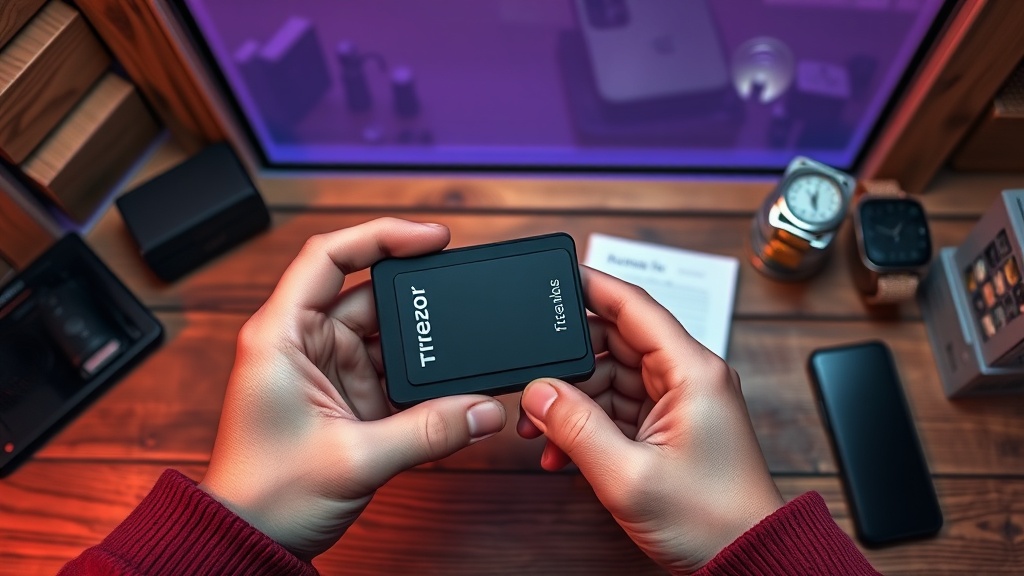
When choosing between Trezor and Ledger for your cryptocurrency wallet, consider your investment strategy. Trezor supports 1,600 coins and is ideal for long-term storage, while Ledger supports 1,500 coins and is better suited for active trading. Both wallets are regulated and insured, ensuring a high level of security. Trezor has lower trading fees (0.00% / 0.10%) compared to Ledger (0.00% / 0.15%). Evaluate your needs and preferences to determine which wallet aligns best with your investment goals in the US market.
Are you worried about the safety of your cryptocurrency investments and unsure whether to choose Trezor or Ledger for your wallet? With cyber threats becoming more sophisticated, selecting the right hardware wallet is crucial for protecting your digital assets. Trezor and Ledger are two of the most trusted names in crypto storage, each offering unique features and security protocols. But which one aligns better with your needs? This comparison will break down the strengths and weaknesses of each wallet, helping you make an informed decision to keep your investments safe and secure.
| Feature | Trezor | Ledger |
|---|---|---|
| Trading Fees | 0.00% / 0.10% | 0.00% / 0.15% |
| Coins Supported | 1,600 | 1,500 |
| Security | Regulated, insured | Regulated, insured |
| Mobile App | 4.5 | 4.3 |
| Best For | Long-term storage | Active trading |
Understanding the Basics: What is a Hardware Wallet?
A hardware wallet is a physical device designed to securely store cryptocurrency private keys offline. Unlike software wallets, which store keys on internet-connected devices, hardware wallets offer a more secure environment by keeping sensitive information away from potential online threats. This physical separation significantly lowers the risk of hacking or unauthorized access, making them a preferred choice for serious investors and traders.
The primary function of these devices is to generate and store private keys securely. When you use a hardware wallet, your private keys never leave the device, ensuring that they remain protected from malware and phishing attacks that can compromise software wallets. This added layer of security makes hardware wallets essential for anyone holding substantial amounts of cryptocurrency.
One key advantage of hardware wallets is their ability to operate offline. When you need to make a transaction, the wallet connects to your computer or mobile device temporarily, allowing you to sign transactions without exposing your private keys. This offline storage capability drastically reduces the chances of malicious actors accessing your funds remotely.
In contrast, software wallets are generally more convenient for everyday transactions but come with increased risks. These wallets can be vulnerable to various types of cyber threats since they rely on internet connectivity. For instance, if your computer or mobile device gets infected with malware, it could lead to compromised security for any software wallet in use. While software options are suitable for smaller amounts of cryptocurrency and frequent trading, they may not provide the same level of protection as hardware devices.
Ultimately, for users who prioritize security over convenience, investing in a hardware wallet is worth considering. The peace of mind that comes with knowing your private keys are stored safely offline can make all the difference in protecting your digital assets. Whether you're new to cryptocurrency or an experienced trader, understanding the importance of these devices will help you make informed decisions about securing your investments.
Trezor vs Ledger: Key Features and Specifications
When choosing between Trezor and Ledger, understanding their unique features can help you make an informed decision. Trezor offers two main models: the Trezor Model T and the Trezor Safe 3. The Model T is a premium hardware wallet that supports over 1,800 cryptocurrencies, providing users with a versatile option for managing diverse digital assets. Its touchscreen interface simplifies navigation and enhances user experience. On the other hand, the Trezor Safe 3 is designed for those who prioritize affordability without sacrificing essential security features.
Ledger presents its own compelling lineup with the Ledger Nano X and Ledger Stax. The Nano X is well-known for its Bluetooth capability, allowing users to connect to mobile devices seamlessly. It supports over 5,500 cryptocurrencies, making it one of the most versatile options on the market. The Ledger Stax takes innovation further with a sleek design and an interactive touchscreen display, catering to both functionality and aesthetics.
Security is a top priority for both brands. Trezor devices utilize PIN codes and recovery seeds, ensuring that only authorized users can access their funds. The recovery seed feature allows users to restore their wallets in case of loss or damage. Similarly, Ledger wallets also implement PIN codes along with a secure element chip that protects private keys from unauthorized access. This additional layer of security significantly reduces the risk of hacks or theft.
Comparison of Key Specifications
- Trezor Model T: Supports over 1,800 cryptocurrencies; touchscreen interface; compatible with various wallets.
- Trezor Safe 3: Affordable option; robust security features; supports essential cryptocurrencies.
- Ledger Nano X: Supports over 5,500 cryptocurrencies; Bluetooth functionality; mobile-friendly.
- Ledger Stax: Sleek design; interactive touchscreen; advanced security features.
Both brands offer solid options for crypto enthusiasts looking for secure storage solutions. While Trezor emphasizes user-friendly interfaces and straightforward designs, Ledger focuses on versatility and advanced security measures. Ultimately, your choice may depend on which specific features align best with your cryptocurrency management needs.
User Experience: Setting Up and Using Trezor and Ledger
When it comes to getting started with either Trezor or Ledger, the initial setup process plays a significant role in user experience. Setting up a Trezor device typically takes around 10 minutes, while the Ledger setup can take approximately 15 minutes. Both wallets guide users through the process with clear instructions, but there are notable differences in their interfaces that can impact how smooth the experience feels.
The Trezor wallet offers a very straightforward and intuitive setup. After connecting the device to your computer, users are prompted to create a new wallet or restore an existing one. The interface is clean and user-friendly, making it easy for beginners to navigate through the steps. Trezor also provides helpful visuals that guide users in creating their recovery seed, ensuring that even those new to crypto can follow along without confusion.
On the other hand, Ledger's interface is slightly more complex but still manageable for new users. After connecting your Ledger device, you’ll need to install Ledger Live, the software used to manage your assets. The installation process involves downloading the app and setting up an account, which may add a few extra minutes compared to Trezor. While some may find this additional step cumbersome, it allows for robust asset management features once set up.
Both wallets excel in terms of security features; however, their ease of use varies. Trezor’s streamlined interface is ideal for beginners who may feel overwhelmed by crypto technology. In contrast, Ledger’s more intricate setup might appeal to those looking for advanced functionalities after they become accustomed to using it.
In terms of ongoing usage, both devices maintain an easy-to-use interface once they're set up. Users can easily access their balances and send or receive funds with just a few clicks on either platform. However, those who prioritize simplicity might lean towards Trezor due to its straightforward navigation and fewer steps required for everyday tasks.
Ultimately, both options cater well to different types of users. If you're just starting and want a quick setup without much hassle, Trezor is likely your best bet. Conversely, if you’re willing to invest a bit more time upfront for enhanced management capabilities later on, Ledger could be worth considering.

Pricing and Availability: Cost of Trezor vs Ledger
When considering a hardware wallet, price is a significant factor for many users. The Trezor Model T retails for about $219, making it one of the higher-end options on the market. This model boasts a touchscreen display and supports a wide array of cryptocurrencies, adding to its appeal. On the other hand, the Ledger Nano X is priced around $149, offering a more budget-friendly alternative without sacrificing security. It features Bluetooth connectivity for mobile use and can manage multiple assets simultaneously.
Both wallets are widely available in the United States through various retailers. You can purchase them directly from the manufacturers’ websites, which is often recommended to ensure authenticity. Additionally, major online platforms like Amazon may stock these devices, though it’s essential to verify the seller's credibility to avoid counterfeit products. Local electronics retailers may also carry them, but availability can vary by location.
Warranty and customer support are crucial considerations when investing in a self-custody tool. Trezor offers a two-year warranty on their products, providing peace of mind regarding defects in materials or workmanship. Their customer support is accessible via email and an extensive knowledge base on their website. Ledger also provides a two-year warranty on their devices and has a comprehensive help center that includes FAQs and troubleshooting guides. Both companies emphasize security and user education, which can be beneficial for newcomers to cryptocurrency.
In terms of long-term value, investing in either wallet could be worthwhile based on your needs. While Trezor’s higher price reflects its advanced features and user interface, Ledger’s lower cost makes it an excellent choice for budget-conscious users who still want robust security measures. Ultimately, both options have their strengths and cater to different preferences in terms of design and functionality.
Final Verdict: Which Wallet Should You Choose?
When deciding between Trezor and Ledger, the primary factors to consider are security and usability. Both devices offer top-notch security features, but they cater to different user experiences. Trezor wallets, particularly the Trezor Safe 3, are known for their user-friendly interface, making them an excellent choice for beginners who might be intimidated by the complexities of cryptocurrency management. On the other hand, Ledger wallets like the Nano X provide advanced features that appeal to experienced users who prioritize customization and additional functionalities.
For newcomers to the crypto space, simplicity often takes precedence over advanced features. The Trezor Safe 3 provides a straightforward setup process and an intuitive dashboard that allows users to quickly understand how to manage their assets. This ease of use can significantly reduce the learning curve associated with digital currencies, making it an ideal entry point for those just starting their investment journey. In contrast, advanced users may find themselves better suited with the Ledger Nano X due to its robust capabilities like Bluetooth connectivity and support for a wider range of cryptocurrencies.
Long-term investment considerations also play a crucial role in your decision-making process. If you plan to hold your assets for an extended period, both wallets offer strong security measures such as PIN protection and recovery seed phrases. However, Ledger's more extensive support for various tokens could be advantageous if you intend to diversify your portfolio over time. Moreover, Ledger's frequent firmware updates ensure that it stays compatible with emerging technologies in the crypto space.
Key Considerations
- Security vs. Usability: Choose based on your comfort level with technology.
- Beginner vs. Advanced: Trezor Safe 3 is ideal for novices; Ledger Nano X caters to experienced users.
- Long-term Strategy: Assess which wallet aligns with your investment goals and asset diversification plans.
The bottom line is that both Trezor and Ledger have their unique strengths. Your choice should align with your specific needs—whether you value simplicity or advanced features will ultimately guide you toward the right self-custody tool for your crypto journey.
What are the main differences between Trezor and Ledger?
Trezor and Ledger both provide robust security features, but they differ in design, token support, and user interface. Trezor offers an open-source platform with a more straightforward, beginner-friendly design, while Ledger is known for its sleek hardware and wider token compatibility. Additionally, Ledger frequently updates its firmware to support new technologies.
Which hardware wallet is more secure, Trezor or Ledger?
Both Trezor and Ledger offer high levels of security through PIN protection and recovery seed phrases. However, Ledger's closed-source firmware and frequent updates may offer an edge in terms of advanced security features. Trezor's open-source code allows for community scrutiny, which some users prefer for transparency.
Can I use Trezor and Ledger with software wallets?
Yes, both Trezor and Ledger can be integrated with popular software wallets such as MetaMask and Coinbase Wallet. This integration allows users to manage their crypto assets conveniently while maintaining the hardware wallet's security benefits.
How do I recover my Trezor or Ledger wallet?
You can recover your Trezor or Ledger wallet using the recovery seed provided during setup. This seed is a series of words that you must store securely; it is essential for restoring your wallet in case of device loss or damage.
Choosing the Right Wallet for Your Needs
Selecting between Trezor and Ledger hinges on your personal preferences and crypto management style. If you prioritize a user-friendly experience with transparent open-source software, Trezor might be the better fit. It offers simplicity without compromising on essential security features like PIN protection and recovery seeds.
For those looking for extensive token support and a sleek design, Ledger stands out as a versatile choice. Its frequent firmware updates ensure that it stays on top of emerging technologies and maintains security standards. Ultimately, whether you are a novice or an experienced investor, both wallets provide reliable solutions to safeguard your digital assets effectively.