

Choosing between Trezor and Ledger Nano depends on your needs. Trezor supports over 1,800 cryptocurrencies, making it ideal for long-term HODLers, while Ledger Nano supports around 1,500. Both wallets offer strong security and insurance up to $250,000. Trezor's user-friendly interface, especially the Model T with its touchscreen, appeals to beginners. If you trade actively, Ledger may be more suitable due to its streamlined interface. Consider your investment strategy and preferred cryptocurrencies when deciding which wallet aligns with your goals.
Are you overwhelmed by the choices of hardware wallets and unsure whether Trezor or Ledger is the right fit for your cryptocurrency investments? With the increasing importance of securing digital assets, choosing the best wallet can be crucial to protecting your wealth from cyber threats. Both Trezor and Ledger offer robust security features, but they differ in ease of use, supported currencies, and additional functionalities. How do you decide which one aligns with your specific needs and investment strategy? This detailed comparison will guide you through the key differences, helping you make an informed choice for your crypto security.
| Feature | Trezor | Ledger Nano |
|---|---|---|
| Trading Fees | 0.00% / 0.00% | 0.00% / 0.00% |
| Coins Supported | 1,800 | 1,500 |
| Security | Regulated, Insurance up to $250,000 | Regulated, Insurance up to $250,000 |
| Mobile App | 4.5 | 4.3 |
| Best For | Long-term HODLers | Active traders |
Overview of Trezor Wallets: Features and Benefits
Trezor wallets are renowned for their robust security features and user-friendly interfaces. The Trezor Model T, in particular, stands out with its touchscreen display, making navigation intuitive even for those new to cryptocurrency. This model supports over 1,800 cryptocurrencies, including popular assets like Bitcoin, Ethereum, and Litecoin. Its versatility ensures that users can manage a diverse portfolio without switching between multiple devices.
Another key offering is the Trezor Safe 5, designed with security at its core. It incorporates advanced security measures such as two-factor authentication (2FA) and a recovery seed backup system. This means that even if the device is lost or damaged, users can easily recover their funds using their recovery phrase. The Safe 5 is also built to resist physical tampering and hacking attempts, providing peace of mind for users who prioritize security.
Compatibility is another significant advantage of Trezor wallets. They can be easily integrated with various platforms and exchanges, including popular options like Coinbase and Kraken. This seamless connectivity allows users to buy, sell, and trade cryptocurrencies directly from their devices without compromising on security. Additionally, Trezor wallets support multiple operating systems such as Windows, macOS, and Linux, making them accessible to a wide range of users.
The user experience is further enhanced by the Trezor Suite software, which offers a comprehensive dashboard for managing cryptocurrency assets. Users can track their balances in real-time, initiate transactions quickly, and access detailed transaction histories. The interface is designed to be straightforward and informative, catering to both beginners and experienced traders alike.
Exploring Ledger Wallets: Key Features and Advantages
Ledger wallets are known for their strong security features and user-friendly designs, making them a popular choice among cryptocurrency enthusiasts. The Ledger Nano X, in particular, stands out with its Bluetooth connectivity, allowing users to manage their assets on mobile devices seamlessly. This feature caters to those who prefer the convenience of accessing their funds on the go while maintaining a high level of security. By connecting via Bluetooth, users can access their cryptocurrencies without compromising the safety of their private keys.
The Ledger Stax introduces a modern aesthetic with its sleek design and touchscreen interface. This model not only looks appealing but also enhances usability by providing an intuitive experience for users. The touchscreen allows for easy navigation through various functionalities, making it simpler to send, receive, and manage digital assets. With its innovative design, Ledger Stax appeals to both new and experienced users who value both form and function in their self-custody tools.
In terms of security, Ledger wallets utilize a secure chip that is designed to withstand various types of attacks. This technology is crucial for safeguarding private keys and ensuring that sensitive data remains protected from external threats. The secure element is a vital component that distinguishes Ledger devices from many software wallets, which may not offer the same level of protection. This robust security architecture is complemented by regular firmware updates that enhance overall functionality and defense against emerging threats.
Supporting a Wide Range of Cryptocurrencies
One of the most significant advantages of the Ledger Nano X is its compatibility with over 5,500 cryptocurrencies. This extensive support enables users to manage a diverse portfolio from a single device, eliminating the need for multiple wallets or platforms. Whether you're dealing with popular coins like Bitcoin and Ethereum or exploring lesser-known altcoins, this wallet provides a comprehensive solution for all your crypto needs.
Overall, Ledger wallets combine high-end security features with usability enhancements that cater to a wide range of users. With options like Bluetooth connectivity on the Nano X and the stylish touchscreen interface on the Stax, these devices are well-equipped to meet the demands of modern crypto management while keeping assets safe.
Security Comparison: Trezor vs Ledger
When it comes to securing your cryptocurrencies, both Trezor and Ledger offer strong encryption techniques to protect your assets. Trezor employs open-source code, allowing users and developers to scrutinize the software for vulnerabilities. This transparency can instill confidence among users who prefer a wallet that can be independently verified. On the other hand, Ledger utilizes proprietary technology, which may not be as transparent but has been rigorously tested in the market. Each approach has its merits, and user preference often hinges on how much they value openness versus a potentially more polished product.
One of the critical components of any hardware wallet's security is its recovery system. Trezor uses a 24-word recovery seed, which is standard in the industry for restoring access to your crypto assets if the device is lost or damaged. This seed is generated during the initial setup and should be stored securely offline. Ledger also provides a recovery phrase but typically offers a 24-word or 12-word option depending on the model, allowing users some flexibility based on their comfort level with security practices.
Both wallets also support additional security features like passphrases. With Trezor, users can create a hidden wallet by adding a passphrase to their recovery seed, effectively adding an extra layer of protection. This means even if someone gains access to your recovery seed, they would still need the passphrase to access your funds. Ledger offers similar functionality through its Secure Element chip, which safeguards private keys and allows for an additional passphrase option as well.
Ultimately, choosing between these two devices may come down to your personal preferences regarding security practices and how much you trust open-source versus proprietary technology. For those who prioritize transparency and community-driven development, Trezor might be more appealing. Conversely, users looking for a sleek design combined with robust security might lean toward Ledger's offerings.
Both wallets are equipped with advanced security measures that make them suitable choices for safeguarding cryptocurrencies. However, understanding their differences can help you make an informed decision on which device aligns best with your specific needs.
User Experience: Ease of Use and Setup for Trezor and Ledger
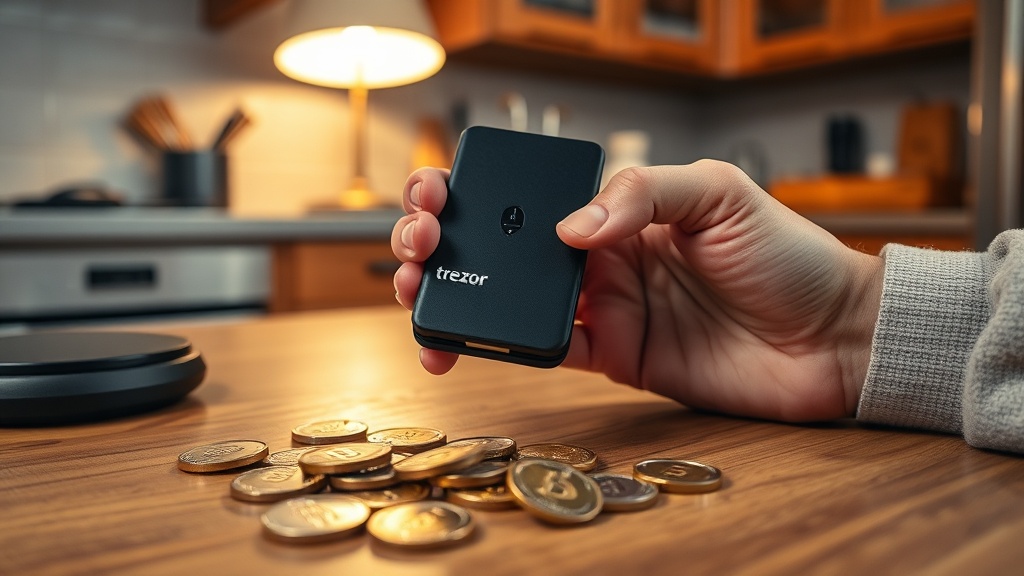
When choosing a hardware wallet, user experience plays a significant role. Trezor is known for its intuitive interface, making it easy for beginners to navigate. Upon setup, users are greeted with a straightforward process that guides them through initializing their device and creating a recovery seed. The Trezor Model T even features a touch screen, allowing for seamless interaction. This simplicity attracts users who may feel overwhelmed by the complexities often associated with cryptocurrency management.
In contrast, Ledger's software environment presents a slightly different experience. The Ledger Live app is essential for managing assets and transactions on Ledger devices. While it offers robust features and security settings, some users may find the interface less intuitive than Trezor's. Nonetheless, the app has gained popularity, boasting over 1 million downloads on various platforms, indicating that many users appreciate its capabilities despite any initial learning curve.
Both wallets offer mobile app support, enhancing their usability on the go. Trezor has recently introduced the Trezor Suite mobile application, which allows users to manage their assets directly from their smartphones. This feature appeals to those who prefer mobile management of their cryptocurrency holdings. Ledger also provides a mobile version of its Ledger Live app, ensuring that users can access their funds and make transactions conveniently from their mobile devices.
Customer support and community resources are vital components of the overall user experience. Trezor provides extensive documentation and an active community forum where users can find answers to common questions or seek assistance from fellow crypto enthusiasts. Moreover, its customer support team is responsive and helpful in addressing any issues that may arise during setup or usage.
Ledger also offers solid customer support options, including detailed guides and FAQs on their website. Additionally, they maintain an active presence on social media platforms where users can engage with both the company and other community members. However, some users have reported slower response times from customer support compared to Trezor.
In summary, both Trezor and Ledger have distinct user experiences shaped by their interfaces and support systems. While Trezor excels in ease of use with its intuitive design, Ledger offers powerful management tools through its widely downloaded app.
Pricing and Value: Trezor vs Ledger Wallets
When considering a hardware wallet, cost is a significant factor for many users. The Trezor Model T retails for approximately $219, while the Ledger Nano X is priced around $149. This difference in upfront cost can influence a buyer’s decision, especially for those new to cryptocurrency. However, it's essential to look beyond the initial price tag and evaluate the long-term value each device provides.
The Trezor Model T offers a range of features that may justify its higher price point. With its large touchscreen display, users benefit from an intuitive interface that simplifies transactions and account management. Additionally, it supports a wider variety of cryptocurrencies than some competitors, which may appeal to those with diverse portfolios. On the other hand, the Ledger Nano X, while less expensive, also packs a punch with Bluetooth connectivity and robust security features that make it a strong contender.
Long-term value is another critical aspect to consider. Hardware wallets are designed to protect your digital assets for years. Investing in a reliable device can save users from potential losses due to hacks or thefts associated with software wallets or exchanges. Both Trezor and Ledger have established themselves as leaders in the market, offering regular firmware updates and support to enhance security and user experience over time.
However, potential hidden costs can arise when purchasing these devices. For example, shipping fees may apply depending on your location and the retailer's policies. Furthermore, accessories like protective cases or additional cables might not be included in the initial purchase price but can enhance usability and safety. Users should factor these additional expenses into their overall budget when deciding which unit aligns best with their financial situation.
Cost Breakdown Summary
- Trezor Model T: Approx. $219
- Ledger Nano X: Approx. $149
- Additional costs: Shipping fees, accessories
Ultimately, both devices present unique advantages that cater to various user needs. Assessing not only the upfront costs but also the long-term benefits and potential hidden charges will help you make an informed decision that aligns with your crypto security goals.
What is the best hardware wallet for beginners?
For beginners, user-friendly options like the Ledger Nano X and Trezor Model T are excellent choices. Both offer intuitive interfaces and robust security features, making them accessible for those new to crypto storage.
Are Trezor and Ledger wallets safe?
Yes, both Trezor and Ledger wallets provide high-level security features. They utilize secure elements and PIN protection to safeguard your crypto assets against unauthorized access.
Can I use Trezor and Ledger with my smartphone?
Absolutely, both Trezor and Ledger offer mobile compatibility. They have apps that allow you to manage your crypto holdings directly from your smartphone, providing convenience and flexibility.
How do I recover my Trezor or Ledger wallet?
You can recover your Trezor or Ledger wallet using the recovery seed provided during setup. This seed acts as a backup, enabling you to restore access to your assets if your device is lost or damaged.
Choosing the Right Crypto Wallet for Your Needs
Selecting between Trezor and Ledger largely depends on your specific requirements and budget. While both brands offer strong security features and support, they cater to different preferences in terms of design, price point, and additional functionalities. Evaluating these aspects alongside potential hidden costs ensures that you choose a device that best aligns with your financial situation and security goals.
The decision should also consider ease of use, especially if you are new to cryptocurrency management. Both devices provide user-friendly experiences but differ slightly in their interfaces and app integrations. By weighing these factors carefully, you can confidently select a hardware wallet that not only secures your digital assets but also enhances your overall crypto experience.