

For 2026, consider investing in Bitcoin (BTC), Ethereum (ETH), Binance Coin (BNB), Cardano (ADA), Solana (SOL), Polkadot (DOT), Chainlink (LINK), Avalanche (AVAX), Litecoin (LTC), and Polygon (MATIC). These cryptocurrencies are backed by strong technology and market trends. Regulatory clarity in the U.S. is attracting institutional investors, enhancing stability. Utilize U.S. platforms like Coinbase or Kraken for trading. Stay informed on technological advancements and market shifts to make informed investment decisions that could yield significant returns.
With the cryptocurrency market evolving rapidly, how can investors identify the next big winners for 2026? As digital currencies continue to transform the financial landscape, pinpointing the right investments could mean the difference between substantial gains or missed opportunities. For those looking to get ahead, understanding expert picks based on market trends and technological advancements is crucial. In this analysis, we uncover which cryptocurrencies are poised for growth and why they might be the right choice for your portfolio.
Understanding the Cryptocurrency Landscape for 2026
The cryptocurrency market is poised for significant transformation as we approach 2026. One of the most critical factors influencing this evolution is regulatory changes. Governments worldwide are increasingly establishing frameworks to govern digital assets, which can both encourage and stifle innovation. For instance, the recent introduction of clearer guidelines in the U.S. has fostered a more stable environment for investors, leading to increased participation from institutional players. This shift is crucial, as more regulatory clarity can attract larger investments, propelling market growth.
Emerging technologies are also playing a key role in shaping the landscape. Innovations such as blockchain interoperability and layer-2 solutions are enhancing transaction speeds and lowering costs, making cryptocurrencies more accessible and appealing to users. For example, Ethereum's recent upgrades have significantly improved its scalability and usability, allowing it to handle more transactions per second. Such advancements are expected to drive adoption rates, contributing to a projected market growth of 20% annually through 2026.
Investor behavior is another area of interest as we look towards 2026. Recent trends indicate that retail investors are becoming increasingly savvy, utilizing advanced tools for analysis and trading. Platforms like TradingView have made technical analysis more accessible, enabling users to make informed decisions based on real-time data. Additionally, social media sentiment plays an influential role in trading behaviors; platforms like Twitter and Reddit can sway market movements rapidly. Understanding these dynamics is essential for investors looking to navigate this evolving space.
As we move further into this decade, the interplay between regulations, technology advancements, and investor psychology will be pivotal in determining which cryptocurrencies thrive. The confluence of these factors will likely lead to a more mature market landscape where only those projects that adapt and innovate will succeed. Keeping an eye on these developments will be crucial for anyone looking to invest wisely in digital assets over the next few years.
Top 10 Cryptocurrencies to Watch: Expert Recommendations
Identifying the top cryptocurrencies for investment in 2026 requires a careful analysis of several key criteria. First, each asset must have a market capitalization of at least $1 billion, ensuring liquidity and a level of stability. Additionally, the underlying technology must demonstrate real-world utility, providing solutions that address existing problems or enhance user experiences. Experts also consider the development team’s track record and community engagement, as these factors often correlate with long-term success.
The diversity of use cases among the recommended cryptocurrencies is another essential factor. For instance, Ethereum (ETH) stands out due to its smart contract functionality, allowing developers to create decentralized applications (dApps) across various sectors, from finance to gaming. Similarly, Chainlink (LINK) plays a critical role in enabling smart contracts to interact with real-world data through its decentralized oracle network, further broadening its appeal in multiple industries.
In terms of expected performance metrics, analysts predict that many of these cryptocurrencies will show significant growth by 2026. For example, Solana (SOL), known for its high throughput and low transaction costs, has already gained substantial traction among developers and investors alike. Its market cap currently sits around $12 billion, positioning it as a formidable competitor in the blockchain space. Experts anticipate that continued adoption could see its value increase significantly as more projects migrate to its platform.
Another notable contender is Cardano (ADA), which emphasizes sustainability and scalability through its proof-of-stake consensus mechanism. With a market cap exceeding $10 billion, Cardano's focus on academic research and peer-reviewed development sets it apart from many other assets. Analysts expect that as regulatory clarity improves and more institutions enter the crypto space, ADA could realize even greater adoption and price appreciation.
Performance Metrics Overview
- Ethereum (ETH): Expected growth driven by dApp adoption.
- Solana (SOL): Projected increase due to low fees and high speed.
- Cardano (ADA): Anticipated rise linked to institutional interest.
- Chainlink (LINK): Growth fueled by demand for reliable data oracles.
The bottom line is that these cryptocurrencies not only meet the criteria for investment but also exhibit unique characteristics that could drive their success in the coming years. Investors should keep an eye on these assets as they navigate the evolving crypto landscape leading up to 2026.
Investment Strategies for Altcoins in 2026
When considering investments in altcoins, it's essential to differentiate between long-term and short-term strategies. Long-term investors typically focus on projects with strong fundamentals, robust technology, and active development teams. They often hold their assets for several years, riding out market volatility in the belief that their chosen coins will appreciate significantly over time. Short-term traders, on the other hand, capitalize on price fluctuations within a shorter timeframe, using technical analysis to make quick decisions. Each approach has its merits, but aligning your strategy with market conditions can yield better results.
Risk management is particularly crucial when investing in altcoins due to their inherent volatility. One effective technique is setting stop-loss orders to limit potential losses. For instance, if an altcoin drops by 10% from your purchase price, a stop-loss order can automatically sell your asset to prevent further losses. Additionally, consider allocating only 10-20% of your total investment portfolio to altcoins. This allocation allows you to benefit from their high growth potential while mitigating overall risk exposure.
Diversification is another critical strategy for minimizing risk in your altcoin investments. Instead of concentrating all funds into one or two projects, spread your investment across multiple coins with varying use cases and market capitalizations. For example, you might invest in a mix of established coins like Ethereum and newer projects that show promise in sectors like decentralized finance (DeFi) or non-fungible tokens (NFTs). This broad approach can help buffer against the underperformance of any single asset.
It's also important to stay updated on regulatory changes affecting the cryptocurrency landscape. Governments are increasingly implementing regulations that can impact altcoin projects differently. Being aware of these developments will help you make informed decisions regarding which assets to hold or sell. Ultimately, a well-rounded strategy that combines long-term vision with short-term agility, alongside effective risk management and diversification practices, can enhance your investment outcomes in the evolving altcoin market.
The Role of Technology in Cryptocurrency Growth
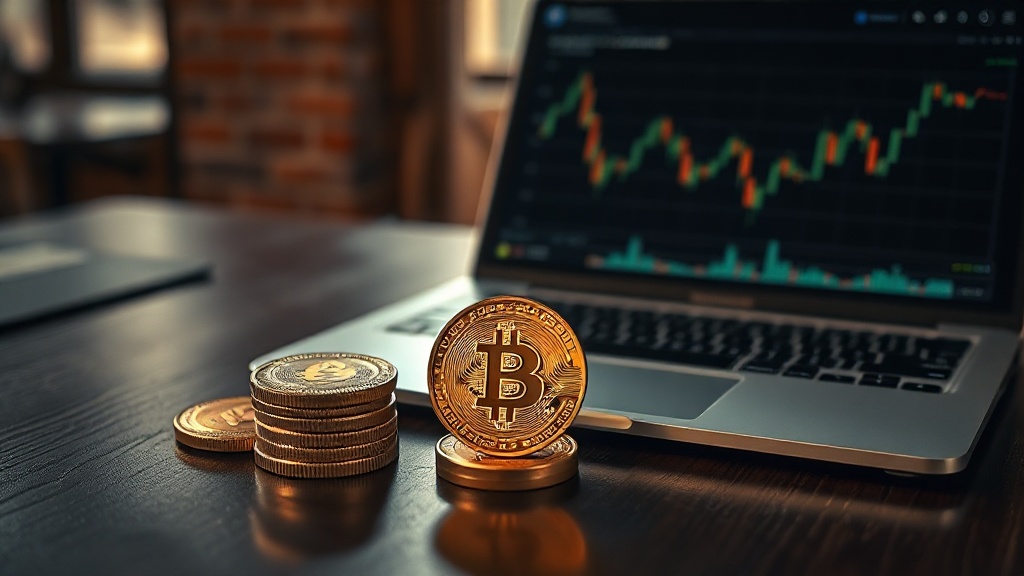
Technological advancements are at the forefront of cryptocurrency growth, significantly impacting transaction speeds and overall efficiency. Recent innovations in blockchain technology have led to a remarkable increase in transaction speed by as much as 50%. Protocols like Ethereum 2.0 and Solana's unique consensus mechanism are designed to handle thousands of transactions per second, reducing congestion and enhancing user experience. As these technologies evolve, they not only improve existing networks but also set new standards for what investors can expect from their digital assets.
Smart contracts represent another critical advancement that is reshaping the investment landscape. By automating processes through self-executing contracts, projects can eliminate intermediaries, thereby reducing costs and increasing trust among participants. This technology enables developers to create decentralized applications (dApps) that can operate autonomously on the blockchain. Investors are increasingly looking at projects that leverage smart contracts, as they often promise greater transparency and security, factors that are essential for long-term growth.
Moreover, the rise of decentralized finance (DeFi) has played a significant role in driving altcoin popularity. DeFi platforms allow users to lend, borrow, and trade assets without relying on traditional financial institutions. This shift toward decentralization opens up a wealth of opportunities for both investors and developers alike. For example, platforms like Aave and Uniswap have seen exponential growth due to their innovative use of smart contracts and liquidity pools, attracting significant capital inflow into lesser-known altcoins.
Implications for Investors
The integration of these technologies not only enhances functionality but also presents new investment avenues. As transaction speeds improve and DeFi continues to expand, investors can engage with a broader range of cryptocurrencies that offer unique features and value propositions. Understanding these technological trends is vital for making informed investment decisions in this rapidly evolving market.
In summary, the convergence of blockchain innovations, smart contract capabilities, and DeFi trends is shaping the future of cryptocurrency investments. As technology continues to advance, it will likely unlock even more potential within this asset class, making it essential for investors to stay informed about these developments.
Navigating Cryptocurrency Regulations by 2026
As the cryptocurrency market matures, regulatory frameworks are evolving rapidly. By 2026, several key regulations are expected to be implemented that will reshape how investors interact with digital assets. The Financial Crimes Enforcement Network (FinCEN) is anticipated to introduce stricter guidelines on anti-money laundering (AML) practices, requiring exchanges and wallet providers to enhance their customer verification processes. Additionally, the U.S. Securities and Exchange Commission (SEC) may finalize rules that clarify which tokens are classified as securities, impacting how companies raise capital through Initial Coin Offerings (ICOs).
The evolving regulatory landscape plays a significant role in market stability and investor confidence. Stricter regulations can deter fraudulent activities, fostering a safer environment for both new and seasoned investors. However, if regulations are perceived as overly burdensome, they could stifle innovation and lead to market volatility. For instance, when the SEC announced its scrutiny of certain altcoins in 2021, it caused significant price fluctuations across many digital assets. Thus, striking a balance between regulation and innovation is crucial for maintaining investor trust.
Investors need to adopt compliance strategies as regulations tighten. One major change expected by 2026 involves IRS regulations on crypto reporting. The IRS is likely to implement stricter requirements for reporting capital gains from cryptocurrency transactions, potentially mandating detailed transaction records for tax purposes. Investors should begin preparing by keeping meticulous records of their trades and using crypto tax software like Koinly to help manage their tax obligations efficiently.
Compliance Strategies for Investors
- Maintain Detailed Records: Track every transaction, including dates, amounts, and involved parties.
- Leverage Tax Software: Utilize tools that streamline crypto tax reporting to ensure compliance with IRS requirements.
- Stay Informed: Regularly review regulatory updates from authoritative bodies like the SEC and FinCEN to adapt investment strategies accordingly.
- Consult Professionals: Engage with financial advisors or legal experts who specialize in cryptocurrency laws to navigate complex regulations.
The landscape of cryptocurrency regulation is set to change significantly by 2026. Investors who proactively adapt to these shifts will be better positioned to navigate the complexities of compliance while maximizing their investment opportunities in the digital asset space.
What are the best cryptocurrencies to invest in for 2026?
Experts suggest considering Bitcoin, Ethereum, Cardano, Solana, and Polkadot as top picks for 2026. These digital currencies are noted for their strong market presence and ongoing technological advancements.
How do I choose the right altcoins for investment?
When selecting altcoins, focus on those with a solid market cap and practical use cases. Investigate projects that solve real-world problems or offer innovative solutions within the blockchain ecosystem.
What investment strategies work best for cryptocurrencies?
Long-term holding and diversification across various crypto assets are effective strategies. This approach allows you to mitigate risks while potentially benefiting from the growth of different sectors within the crypto market.
How will regulations affect cryptocurrency investments in 2026?
Stricter compliance requirements are anticipated, which will likely demand detailed transaction records and adherence to regulatory standards. Investors should prepare by understanding these changes and adjusting their investment practices accordingly.
The Road Ahead for Crypto Investments in 2026
The future of cryptocurrency investing promises both challenges and opportunities. As the market evolves, investors must remain agile, adapting to technological advancements and regulatory changes. With top cryptocurrencies like Bitcoin and Ethereum leading the charge, there's potential for significant returns if approached with a strategic mindset.
Staying informed about regulatory developments is crucial. As compliance becomes more stringent, leveraging tools such as crypto tax calculators can ease the burden of managing tax obligations. By maintaining detailed records and consulting with experts, investors can confidently navigate this dynamic landscape.
The key to success in 2026 will be a blend of foresight and flexibility. Those who proactively embrace change while strategically diversifying their portfolios stand to gain the most from this ever-evolving digital frontier.