

To maximize Bitcoin returns by 2026, consider investing in established platforms like Coinbase and Binance for trading. Explore Bitcoin ETFs for regulated exposure, such as the ProShares Bitcoin Strategy ETF. Diversify with Bitcoin mining stocks like Marathon Digital Holdings. Look into Bitcoin-focused funds, such as Grayscale Bitcoin Trust. Stay informed on regulatory developments, as they can impact prices. Additionally, consider dollar-cost averaging to mitigate volatility risks. Always assess your risk tolerance and market conditions before investing.
As Bitcoin continues to dominate the crypto landscape, how can you strategically invest to maximize your returns by 2026? With the market's inherent volatility, identifying the most promising Bitcoin investments becomes crucial for any savvy investor. From assessing emerging trends to exploring innovative platforms, positioning your portfolio for potential growth requires informed decisions. Join us as we uncover the top 10 Bitcoin investments poised to deliver substantial returns by 2026, offering insights into the opportunities that could reshape your financial future.
Understanding Bitcoin's Market Trends Leading to 2026
Over the last decade, Bitcoin has experienced significant price fluctuations, characterized by both remarkable highs and challenging lows. For instance, the asset reached an all-time high of $64,000 in April 2021, driven by increased institutional adoption and retail interest. However, this surge was followed by sharp corrections, with prices dropping below $30,000 within months. Analyzing these trends reveals a pattern of volatility that investors must navigate as they look ahead to 2026.
Regulatory changes have also shaped Bitcoin's market landscape. In the United States, regulatory bodies like the SEC have begun to take a more active role in overseeing cryptocurrency markets. For example, recent discussions around Bitcoin ETFs and clearer guidelines for exchanges have introduced both uncertainty and optimism among investors. These regulations can lead to increased legitimacy for BTC but may also impose constraints that could impact market dynamics. Understanding these regulations is crucial for those considering investments in the coming years.
Current economic indicators suggest a mix of potential outcomes for the Bitcoin market as we approach 2026. Inflation rates are rising globally, prompting some investors to view BTC as a hedge against inflation similar to gold. Additionally, macroeconomic factors such as interest rates and monetary policy will likely influence investment behavior in cryptocurrencies. As traditional financial systems grapple with economic challenges, Bitcoin could either solidify its position as a safe haven or experience further volatility based on investor sentiment.
As we analyze these trends, it's essential for investors to stay informed about market movements and regulatory developments. This knowledge can help them make more strategic decisions regarding their investments in Bitcoin. Keeping an eye on how economic indicators evolve will be key to predicting future price action.
Ultimately, understanding these historical trends and their implications will empower investors to position themselves effectively within this ever-changing landscape as they prepare for the opportunities that 2026 may bring.
Top 5 Bitcoin Investment Strategies for 2026
When it comes to investing in BTC, the choice between long-term holding and short-term trading can significantly impact your returns. Long-term holders, often referred to as "HODLers," believe in the asset's potential to appreciate over time. This strategy requires patience and a strong conviction in Bitcoin's fundamentals. On the other hand, short-term trading involves taking advantage of price fluctuations for quick gains. While it can be profitable, it also carries higher risks due to market volatility and requires constant market monitoring.
One effective strategy that many investors are adopting is Dollar-Cost Averaging (DCA). This method entails investing a fixed amount of money at regular intervals, regardless of the coin's price. By doing so, investors can reduce the impact of volatility by averaging their purchase price over time. For instance, if you invest $100 every week, you will buy more units when prices are low and fewer when prices are high. Over a year, this approach can mitigate the risk of making a large investment at an unfavorable price point.
In addition to DCA, utilizing crypto tax software is essential for tracking your investments effectively. As regulations around digital assets become more stringent, keeping accurate records of transactions is crucial for reporting capital gains and losses. A reliable tax calculator can simplify this process by automatically tracking trades and generating necessary reports for tax filing. For example, Koinly is a popular choice among crypto investors for its ability to integrate with various exchanges and wallets, making tax season much less stressful.
Combining Strategies for Maximum Returns
To maximize your returns in 2026, consider combining these strategies. For instance, you could employ DCA for your long-term holdings while also engaging in short-term trading with a portion of your portfolio. This mixed approach allows you to benefit from both strategies: capturing potential quick gains while maintaining a stable investment in BTC. Ultimately, understanding your risk tolerance and investment goals will guide you in choosing the right mix.
By leveraging these strategies effectively—whether through long-term holding or DCA—you'll be better equipped to navigate the unpredictable nature of cryptocurrency markets as they evolve over the coming years.
Evaluating Bitcoin Investment Platforms: Coinbase vs. Kraken vs. Crypto.com vs. Uphold
When it comes to investing in Bitcoin, selecting the right platform can greatly influence your experience and returns. Coinbase is one of the most popular choices, known for its user-friendly interface and straightforward fee structure. It charges a spread of about 0.5% on trades, along with a flat fee based on the transaction amount. While this simplicity appeals to beginners, more experienced traders might find the fees on larger transactions somewhat excessive.
Kraken offers a more complex fee structure that can be advantageous for high-volume traders. It employs a tiered system where fees decrease with increased trading volume over a 30-day period. The platform's security features are robust, including two-factor authentication and cold storage options for digital assets. This makes it an appealing choice for those prioritizing safety alongside cost efficiency.
Crypto.com is another contender worth considering, particularly for users looking to earn rewards on their holdings. The platform provides a unique feature where users can stake their assets for yield, which can enhance overall returns. However, its fee structure is variable and may include withdrawal fees depending on the asset type. User experience can vary; while many appreciate its extensive range of services, some have reported challenges with customer support.
Uphold distinguishes itself by offering a transparent fee model that includes no commission on trades involving certain currencies, but users should be aware of spreads that can vary widely based on market conditions. Its user interface is straightforward, appealing to both new and experienced investors alike. Uphold also supports multiple asset types beyond just Bitcoin, which may attract those interested in diversifying their portfolios.
In terms of tools for investment analysis, each platform has its strengths. Coinbase provides basic charting tools suitable for beginners but lacks advanced features that seasoned traders might seek. Kraken excels in this area with comprehensive charting capabilities and real-time data feeds. Crypto.com offers various educational resources and market insights to help users make informed decisions, while Uphold’s simplicity may limit advanced analytical options but still provides essential information needed for effective trading.
The Role of Bitcoin ETFs in Your 2026 Investment Portfolio
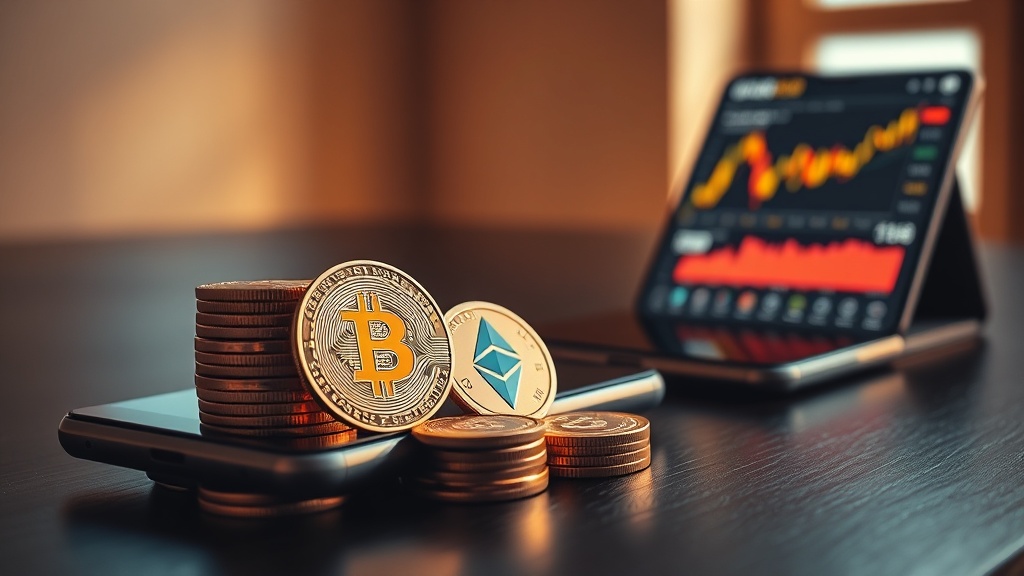
Bitcoin exchange-traded funds (ETFs) are investment funds that track the price of the asset and trade on stock exchanges, much like traditional ETFs. These funds allow investors to gain exposure to Bitcoin without needing to buy or store the coin directly. Instead, they hold Bitcoin or Bitcoin futures contracts, making it easier for individuals to invest in the cryptocurrency market through their brokerage accounts. This structure appeals particularly to those who may be hesitant about managing digital wallets or dealing with crypto exchanges.
One of the primary benefits of investing in Bitcoin ETFs is their convenience. Investors can buy and sell shares throughout the trading day, just like stocks, providing flexibility and liquidity. Additionally, these funds offer a level of regulatory oversight that can enhance investor confidence. As of 2023, there are several Bitcoin ETFs approved by the SEC, which signifies a growing acceptance of cryptocurrencies within traditional financial markets. This regulatory backing can help mitigate some risks associated with direct cryptocurrency investments.
Another advantage is diversification. By including a Bitcoin ETF in your portfolio, you can gain exposure to the asset class without fully committing your capital to it. This allows you to balance your investments across different sectors while still participating in potential price gains from BTC. For instance, if Bitcoin experiences significant growth leading up to 2026, your ETF investment could yield substantial returns without requiring you to manage multiple wallets or private keys.
Currently, popular Bitcoin ETFs available in the U.S. market include ProShares Bitcoin Strategy ETF (BITO) and Valkyrie Bitcoin Strategy ETF (BTF). These funds primarily invest in Bitcoin futures rather than holding physical Bitcoins, reflecting a strategic approach that aligns with regulatory frameworks. As more funds enter the market, competition may lead to lower fees and improved products for investors.
In summary, Bitcoin ETFs present a strategic opportunity for investors looking to incorporate BTC into their portfolios while minimizing some of the complexities associated with direct ownership. Their ease of access and regulatory approval make them an attractive option for both seasoned investors and newcomers alike as we approach 2026.
Future Technologies Impacting Bitcoin Investments by 2026
Emerging technologies are set to reshape the landscape of Bitcoin investments significantly by 2026. One of the most influential factors will be advancements in blockchain technology itself. Improvements in scalability, security, and interoperability can enhance the functionality of the network. For instance, layer-two solutions like the Lightning Network are already making transactions faster and cheaper. As these enhancements roll out, they could lead to a broader acceptance of BTC as a payment method and increase its overall value.
Decentralized Finance (DeFi) is another game-changing sector impacting Bitcoin investments. The market capitalization of DeFi projects exceeded $100 billion in 2023, showcasing its growing influence. DeFi platforms enable users to lend, borrow, and trade without intermediaries, which can lead to increased liquidity for Bitcoin. This shift opens up new investment opportunities, allowing investors to earn interest on their holdings or leverage their assets for further investments. As more people engage with DeFi, Bitcoin's role as collateral or a liquidity asset could solidify its position in the financial ecosystem.
Regulatory changes are also poised to have a significant effect on Bitcoin investments. In recent years, governments worldwide have started to introduce frameworks for cryptocurrency regulation. The U.S. Securities and Exchange Commission (SEC) is actively working on guidelines that could clarify the legal status of various digital assets, including BTC. If regulations become more favorable or clear-cut, it could attract institutional investors who have been hesitant due to uncertainties. Conversely, stricter regulations may pose challenges but could also lead to a more stable market environment.
The Role of Other Technologies
Beyond blockchain and DeFi, other technologies like artificial intelligence (AI) and big data analytics are beginning to play a role in crypto investments. AI algorithms can analyze vast amounts of market data quickly, helping investors make informed decisions about timing their trades or diversifying their portfolios. Similarly, big data tools can provide insights into market trends, improving investment strategies based on historical performance and predictive modeling.
As we move toward 2026, keeping an eye on these technological advancements will be crucial for anyone looking to maximize their returns from Bitcoin investments. Understanding how these factors interplay will better equip investors to navigate the complexities of this volatile market.
What are the best platforms for investing in Bitcoin?
Coinbase, Kraken, Crypto.com, and Uphold are among the top platforms for investing in Bitcoin. Each offers unique features: Coinbase is user-friendly with robust security measures; Kraken provides advanced trading options and lower fees; Crypto.com offers a wide range of cryptocurrencies and rewards; Uphold supports easy asset conversion and is known for transparency.
How can I maximize my Bitcoin investment returns?
To maximize returns from Bitcoin investments, consider using strategies like Dollar-Cost Averaging (DCA), which involves investing a fixed amount regularly regardless of price fluctuations. Diversifying your portfolio with a mix of long-term holds and short-term trades can also help manage risk while potentially increasing profits.
What is the expected Bitcoin price for 2026?
While it's difficult to predict exact prices, many experts believe that Bitcoin could see significant growth by 2026 due to increasing institutional adoption and technological advancements. However, market volatility and regulatory changes will play key roles in shaping its future value.
Are Bitcoin ETFs a good investment?
Bitcoin ETFs offer benefits like ease of trading and diversification without needing to hold the actual cryptocurrency. However, they come with risks such as management fees and potential tracking errors. Weighing these factors against your investment goals can help determine if they fit your strategy.
The Path Forward for Bitcoin Investors
The potential for maximizing returns through Bitcoin investments by 2026 hinges on several key factors. The evolving regulatory landscape may either open doors for more institutional participation or impose restrictions that could stabilize the market. Keeping abreast of these changes will be essential for informed decision-making.
Technological advancements like AI and big data analytics are increasingly influencing investment strategies. These tools provide investors with enhanced capabilities to analyze market trends and make data-driven decisions, offering an edge in navigating the volatile crypto environment. As we approach 2026, leveraging these technologies alongside traditional investment principles could be crucial in achieving desired outcomes.