

The Ledger Nano series is widely regarded as one of the best hardware wallets for US investors, offering robust security features to protect your cryptocurrency investments. By storing private keys offline, it safeguards against cyber threats like malware and phishing attacks. With compatibility across major US platforms and support for numerous cryptocurrencies, the Ledger Nano provides a user-friendly experience without compromising security. For those serious about protecting their digital assets, it's a top choice in the hardware wallet market.
Are you worried about the security of your cryptocurrency investments and wondering if a hardware wallet is the right solution? With increasing cyber threats, safeguarding your digital assets has never been more crucial, and the Ledger Nano series promises to offer robust protection. This comprehensive Ledger Nano review delves into the features, security measures, and usability of these popular wallets to help you decide if they truly stand out as the best option for secure crypto storage. Whether you're a seasoned investor or new to the crypto world, understanding these aspects will guide your decision-making process effectively.
Understanding Hardware Wallets: Why Choose Ledger Nano?
Hardware wallets are physical devices designed to securely store cryptocurrencies offline. They protect private keys from online threats, ensuring that users have full control over their digital assets. Unlike software wallets, which are often vulnerable to malware and phishing attacks, hardware units provide a more secure environment for managing crypto holdings. The main purpose of these devices is to safeguard private keys and facilitate secure transactions without exposing sensitive information to the internet.
When comparing hardware wallets with software options, the differences become clear. Software wallets, while convenient for frequent transactions and easy access, store private keys on connected devices like smartphones or computers. This connection opens them up to potential hacking attempts. In contrast, hardware wallets like Ledger Nano X and Ledger Stax are disconnected from the internet when not in use, minimizing the risk of unauthorized access. This fundamental difference makes hardware solutions a preferred choice for long-term storage of cryptocurrencies.
Ledger Nano stands out in the crowded hardware wallet market due to its robust security features. One key advantage is its Secure Element (SE) chip, which is designed to withstand various types of attacks. This chip ensures that sensitive data remains encrypted and safe from tampering. Additionally, Ledger's proprietary operating system, BOLOS, allows users to manage multiple apps securely on one device without compromising overall security.
Another notable feature is Bluetooth connectivity available in models like Ledger Nano X and Ledger Stax. This capability enables users to interact with their wallet through mobile devices seamlessly while maintaining a high level of security. With this feature, crypto enthusiasts can manage their assets on-the-go without sacrificing protection.
In summary, choosing a hardware wallet like Ledger Nano offers significant advantages over software options. Enhanced security measures such as the SE chip and BOLOS OS provide peace of mind for users who prioritize the safety of their digital assets. For those looking for convenience coupled with robust protection, Ledger's offerings are hard to beat.
Security Features of Ledger Nano: A Deep Dive
One of the standout features of the Ledger Nano wallets is their use of Secure Element (SE) chip technology. This specialized microcontroller is designed to withstand various attacks, including physical tampering and side-channel attacks. Specifically, Ledger's SE chip is certified EAL5+, which indicates a high level of security assurance. This certification means that the chip has undergone rigorous testing and meets strict international standards for secure hardware. As a result, users can trust that their private keys are stored in a highly secure environment, minimizing the risk of unauthorized access.
In addition to the SE chip, Ledger Nano wallets offer a robust recovery phrase system. When setting up the device, users are prompted to generate a 24-word recovery phrase. This phrase serves as a backup for restoring access to their assets in case the device is lost or damaged. It's crucial for users to store this phrase securely and offline, as anyone with access to it can control the associated cryptocurrencies. Ledger also provides clear instructions on how to properly manage this recovery phrase, emphasizing its importance in maintaining asset security.
Another key aspect of Ledger's security framework is its commitment to regular firmware updates. The company actively releases updates that address potential vulnerabilities and enhance overall functionality. Users are notified when updates are available, ensuring they can keep their device secure against emerging threats. These updates often include new security protocols that further protect user assets. By staying current with firmware versions, users can mitigate risks associated with outdated software.
Additional Security Measures
- PIN Protection: Users must set up a PIN code to access their devices, adding an extra layer of security against unauthorized use.
- Device Recovery: In case of device loss or theft, the recovery process ensures that users can regain control over their assets using their recovery phrase.
- Passphrase Option: Users can add an additional passphrase on top of their recovery phrase for even greater protection against unauthorized access.
The combination of these security features makes Ledger Nano wallets a compelling choice for anyone looking to securely store cryptocurrencies. By employing advanced technology like the EAL5+ certified SE chip and offering comprehensive backup and update options, Ledger enhances user confidence in managing digital assets safely.
User Experience: Setting Up and Using Ledger Nano
Setting up a Ledger Nano wallet is a straightforward process that ensures your crypto assets are secure. First, unbox your device and connect it to your computer or mobile device using the provided USB cable. After powering it on, you'll be prompted to create a new wallet or restore an existing one. If you’re creating a new wallet, follow the on-screen instructions to set up a secure PIN code and record your recovery phrase, which is crucial for recovering access in case you lose the device.
Once the initial setup is complete, download the Ledger Live app from the official website or your device's app store. This application serves as your gateway to managing your cryptocurrencies. After installation, open Ledger Live and follow the prompts to sync your device. The app will guide you through adding accounts for different cryptocurrencies, allowing you to manage over 5,500 digital assets seamlessly.
Navigating Ledger Live is user-friendly, with a clean interface that categorizes various functions. You can view your portfolio balance, send or receive funds, and check transaction history all in one place. To send cryptocurrency, simply select the asset you wish to transfer, enter the recipient's address, specify the amount, and confirm the transaction. The app also provides real-time price updates and market trends for each asset you hold.
For users managing multiple cryptocurrencies, Ledger Live simplifies the process with its multi-account feature. You can create individual accounts for each asset while still accessing all of them from one application. This feature is particularly useful for those actively trading or holding diverse portfolios. Additionally, Ledger Live allows you to stake certain cryptocurrencies directly through the app, enabling users to earn rewards without needing separate platforms.
In summary, using a Ledger Nano wallet in conjunction with Ledger Live offers an efficient and secure way to manage your cryptocurrency investments. With its intuitive setup process and comprehensive management features, this combination makes it easier than ever to keep track of various digital assets securely.
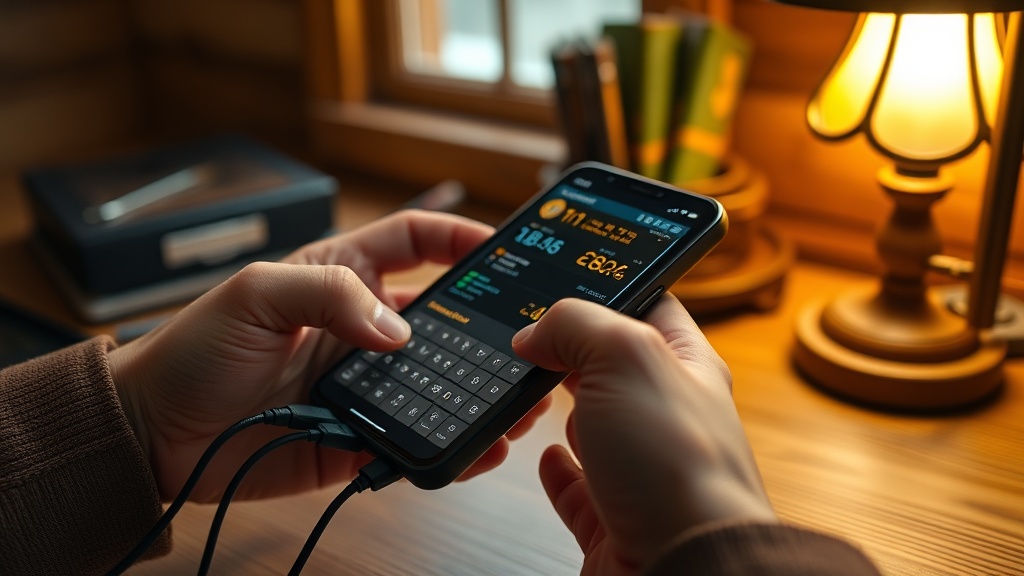
Comparing Ledger Nano Models: Which One is Right for You?
The Ledger Nano X, Ledger Stax, and Ledger Flex each offer unique features tailored to different user needs. The Nano X is a well-rounded option, known for its Bluetooth connectivity, allowing users to manage their assets on-the-go via mobile devices. In contrast, the Ledger Stax boasts a larger touchscreen display and a more premium design, which appeals to those who prioritize aesthetics and usability. The Ledger Flex aims at users looking for flexibility in managing various cryptocurrencies with ease but lacks some of the advanced features found in its counterparts.
When it comes to pricing, the Nano X retails for approximately $149, making it an affordable choice for most users. The Stax is priced higher at around $279 due to its enhanced features and design. The Flex is positioned between the two in terms of cost but can vary based on additional accessories or bundles offered by retailers. This price variance allows consumers to choose a model that fits their budget while still catering to their specific needs.
In terms of use cases, the Ledger Nano X is ideal for everyday users who want secure access to their crypto assets without compromising convenience. Its Bluetooth capability makes it perfect for those who frequently check or manage their assets away from home. On the other hand, the Ledger Stax is best suited for collectors or serious investors who appreciate having a high-end device with an intuitive interface and advanced security features. Lastly, the Ledger Flex caters to users who prioritize versatility over advanced functionalities; it's great for those who want a simple yet effective solution to store multiple cryptocurrencies.
Choosing the Right Model
To help you decide which model suits you best, consider these factors:
- Budget: If you're looking for affordability without sacrificing essential features, go with the Nano X.
- Features: If you want an advanced device with a premium feel and larger display, the Stax is worth the investment.
- Flexibility: For those needing straightforward management of various cryptocurrencies, opt for the Flex.
Your choice will ultimately depend on your individual requirements and how you plan to interact with your digital assets.
Alternatives to Ledger Nano: Are They Worth Considering?
While Ledger Nano wallets are popular, Trezor offers compelling alternatives in the hardware wallet market. Trezor has two main models: the Trezor Model T and the Trezor Safe 3. The Model T, priced at around $219, features a touchscreen display, making it user-friendly for those new to cryptocurrency. In contrast, the Safe 3 is more budget-friendly but lacks some advanced features. Both devices support a wide range of cryptocurrencies and offer robust security measures.
When comparing Trezor and Ledger, there are distinct pros and cons to consider. One major advantage of Trezor is its open-source software, which allows users to verify its security independently. This transparency can be reassuring for those concerned about potential vulnerabilities. Additionally, Trezor's interface is intuitive, making it easier for beginners to manage their digital assets. On the downside, Trezor wallets have slightly slower performance in transaction processing compared to Ledger devices, which may be a consideration for more experienced users.
Market trends indicate a growing interest in hardware wallets as security concerns rise within the cryptocurrency space. With high-profile hacks and thefts making headlines, more investors are opting for self-custody solutions like hardware wallets over custodial services offered by exchanges. As a result, both Ledger and Trezor are seeing increased demand for their products. In this environment, consumers are looking for reliable options that provide a balance between security and usability.
Another noteworthy trend is the emergence of new models from both companies that cater to various user needs. For instance, Ledger recently introduced the Ledger Stax, which emphasizes portability and versatility while maintaining high-security standards. Similarly, Trezor continues to innovate with software updates and new features that enhance user experience across their wallet range.
Ultimately, while Ledger Nano remains a leading choice for many crypto enthusiasts, alternatives like Trezor provide valuable options worth considering. Users should evaluate their specific needs—whether it’s ease of use, price point, or security features—before deciding on the best device for their cryptocurrency storage.
What is a Ledger Nano wallet?
A Ledger Nano wallet is a hardware device designed to securely store cryptocurrencies. It provides offline storage, which helps protect digital assets from online threats and hacks.
How secure is the Ledger Nano?
The Ledger Nano is highly secure due to its use of Secure Element technology, which safeguards sensitive data and ensures that private keys never leave the device. This makes it a trusted option for protecting cryptocurrencies.
Can I use Ledger Nano with any cryptocurrency?
Yes, the Ledger Nano supports over 5,500 cryptocurrencies, making it versatile for users with diverse portfolios. Its compatibility with a wide range of digital currencies makes it a popular choice among crypto enthusiasts.
What is the difference between Ledger Nano X and Ledger Stax?
The Ledger Nano X offers Bluetooth connectivity and extended battery life, while the Ledger Stax focuses on portability and versatility with its compact design. Pricing also varies, with the Stax generally being more affordable than the Nano X.
Choosing the Right Crypto Wallet for Your Needs
The bottom line is that selecting a crypto wallet involves balancing security, usability, and personal preferences. The Ledger Nano series remains a top contender due to its robust security features and support for a vast number of cryptocurrencies. Its Secure Element technology and offline storage provide peace of mind for those concerned about online threats.
However, it's important to consider other options like Trezor, which also offers strong security features and user-friendly interfaces. With new models like the Ledger Stax entering the market, users have more choices than ever to find a solution that fits their specific needs. Whether prioritizing ease of use or advanced security protocols, there's likely a hardware wallet that aligns with your requirements.