

As we approach 2026, Bitcoin remains a contentious investment for U.S. investors. Its price has fluctuated between $30,000 and $40,000 recently, reflecting ongoing volatility. Factors such as regulatory developments, technological advancements, and institutional adoption will significantly influence its future. While some experts predict potential growth, the inherent risks associated with Bitcoin, including market unpredictability, should not be overlooked. Investors must weigh the possibility of financial gains against the uncertainty that accompanies this digital asset before making decisions.
With Bitcoin's price fluctuating dramatically, many investors are left wondering: Is Bitcoin still worth investing in as we approach 2026? As the cryptocurrency market continues to evolve, it is crucial for potential investors to understand the factors influencing Bitcoin's trajectory, including shifting market trends, regulatory developments, and technological advancements. For those considering adding Bitcoin to their portfolios, the stakes involve not only potential financial gains but also the inherent volatility and uncertainty that accompany this digital asset. This analysis will illuminate whether Bitcoin remains a viable investment option and what investors should anticipate in the coming years.
Current Bitcoin Market Trends and Predictions for 2026
The current landscape for Bitcoin is shaped by significant historical price movements, particularly its all-time high of $64,000 reached in April 2021. This peak was driven by a surge in institutional adoption and growing interest from retail investors. However, the market has since experienced volatility, with prices fluctuating between $30,000 and $40,000 in recent months. These price trends suggest a market still in the process of maturation, where past performance may influence future investor behavior but does not guarantee upward momentum.
Experts have varying predictions for Bitcoin's price trajectory leading into 2026. Some analysts foresee a bullish scenario where BTC could reach upwards of $100,000, driven by continued institutional investment and the potential for increased regulatory clarity. Others warn that external factors such as macroeconomic conditions and regulatory shifts could hinder growth. For instance, potential changes in U.S. policy regarding cryptocurrency taxation or trading could significantly impact market dynamics. Overall, the outlook remains cautiously optimistic, contingent on how these factors unfold.
Market sentiment plays a crucial role in shaping investment decisions in the crypto space. Currently, there’s a mix of excitement and skepticism among investors. While many remain bullish due to technological advancements like the Lightning Network enhancing transaction speeds and reducing costs, others express concerns over regulatory scrutiny and environmental impacts related to mining. This duality in sentiment can lead to erratic price movements as investor confidence fluctuates based on news cycles and broader economic indicators.
As we move toward 2026, understanding these trends is essential for making informed decisions about investing in BTC. Key indicators such as trading volumes, market capitalization shifts, and social media sentiment analysis will provide additional insights into potential price movements.
In summary, while historical trends indicate potential growth for Bitcoin, several factors will influence its journey over the next few years. Investors should remain vigilant and adaptive to changing conditions to capitalize on opportunities within this evolving market.
Regulatory Landscape: How US Regulations Will Shape Bitcoin's Future
The regulatory environment surrounding Bitcoin in the United States is constantly evolving. Currently, the primary regulatory bodies involved include the Securities and Exchange Commission (SEC) and the Internal Revenue Service (IRS). The SEC has classified Bitcoin as a commodity, which means it falls under their jurisdiction for trading and investment purposes. This classification has led to a somewhat clearer regulatory framework, but it also raises questions about how future regulations might further shape the market.
One significant area of concern for investors is compliance with IRS requirements. Cryptocurrency transactions are treated as taxable events, meaning that gains from buying and selling BTC must be reported. Investors need to be aware of IRS Form 8949, which is required for reporting capital gains and losses on cryptocurrency transactions. This form necessitates detailed records of purchases and sales, including dates, amounts, and values at the time of each transaction. Failure to comply with these reporting requirements can result in penalties or audits from the IRS.
Looking ahead, potential future regulations may introduce additional complexities into Bitcoin investing. There are discussions surrounding the establishment of a comprehensive regulatory framework that would address issues like anti-money laundering (AML) and know your customer (KYC) requirements for cryptocurrency exchanges. Such regulations could further legitimize BTC as an asset class but might also impose stricter compliance burdens on investors and platforms alike.
The SEC's involvement is particularly crucial as they may look to regulate not just exchanges but also Initial Coin Offerings (ICOs) related to Bitcoin and other cryptocurrencies. If the SEC decides to classify certain crypto tokens as securities, it could fundamentally change how these assets are marketed and sold to investors. This potential shift underscores the importance of keeping abreast of regulatory updates that could impact investment strategies.
Key Regulatory Considerations
- SEC's classification of Bitcoin as a commodity
- IRS Form 8949 reporting requirements
- Potential AML and KYC regulations for exchanges
- Impact of SEC oversight on ICOs
In summary, understanding the current regulatory landscape is vital for anyone considering an investment in Bitcoin. As regulations become more defined, they will shape both market dynamics and investor behavior moving toward 2026.
Technological Advancements Impacting Bitcoin's Value
The Lightning Network is a significant development aimed at improving Bitcoin's transaction speed and reducing fees. By allowing off-chain transactions, it enables users to conduct numerous transactions without congesting the main blockchain. As adoption increases, this layer-2 solution could position BTC as a viable currency for everyday transactions, enhancing its utility and potentially driving up demand. The more efficient transaction capabilities provided by the Lightning Network can attract businesses and consumers alike, further solidifying the coin’s role in the financial ecosystem.
Another promising technological evolution is the integration of emerging technologies such as artificial intelligence (AI) and blockchain interoperability. AI can enhance trading strategies through predictive analytics, enabling investors to make more informed decisions. Additionally, interoperability solutions that allow Bitcoin to communicate with other blockchains can expand its use cases. For example, cross-chain applications could facilitate decentralized finance (DeFi) projects that leverage BTC without losing its inherent security features. This integration with broader technological advancements could significantly enhance Bitcoin's market position by 2026.
Security remains a top priority for Bitcoin investors, especially as the ecosystem grows. The introduction of the Taproot upgrade in November 2021 has brought substantial improvements to privacy and smart contract functionality on the network. By enabling more complex transactions while obscuring user details, Taproot enhances overall security and efficiency. Such enhancements are crucial for attracting institutional investors who prioritize robust security measures in their investment choices.
Moreover, ongoing developments in cryptographic techniques are bolstering Bitcoin’s defenses against potential threats. As cyberattacks become more sophisticated, innovations like zero-knowledge proofs may offer additional layers of protection for user privacy and transaction integrity. The combination of these advancements not only secures the network but also instills confidence among users and investors alike.
In summary, technological advancements play a critical role in shaping Bitcoin's future value proposition. With improvements like the Lightning Network enhancing transaction efficiency and Taproot providing better privacy features, BTC stands to gain significantly by 2026 as these innovations mature and gain widespread acceptance.
Investors looking to capitalize on these technological trends will need to stay informed about ongoing developments and consider how they align with their investment strategies moving forward.
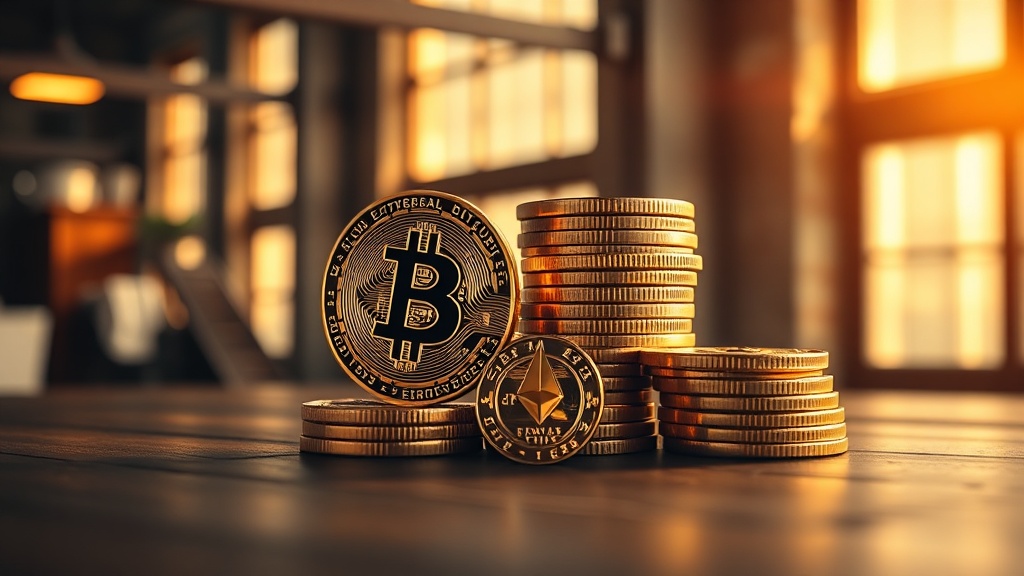
Comparative Analysis: Bitcoin vs. Altcoins for 2026 Investment
As of October 2023, Bitcoin's market cap stood at approximately $1 trillion, making it the dominant player in the cryptocurrency market. In contrast, major altcoins like Ethereum and Binance Coin have significantly lower market caps, with Ethereum around $220 billion and Binance Coin near $40 billion. This stark difference highlights Bitcoin's established position and investor confidence. As we approach 2026, this disparity may influence investor decisions, as many tend to gravitate towards assets with a proven track record.
When assessing risk, investing in altcoins presents a more volatile landscape compared to BTC. While altcoins can offer substantial returns due to their lower market caps and potential for rapid growth, they also carry higher risks of failure or significant price fluctuations. For example, in 2021 alone, several altcoins saw prices soar before crashing dramatically. In contrast, Bitcoin's historical performance showcases a more gradual appreciation over time, providing a sense of stability that many investors find appealing.
The long-term viability of Bitcoin remains strong as it continues to be adopted by institutions and integrated into various financial systems. Its limited supply of 21 million coins creates a scarcity that many believe will drive value over the coming years. Emerging cryptocurrencies often face uncertainty regarding their use cases and regulatory acceptance. While some may offer innovative solutions or capabilities, their longevity is not guaranteed. For instance, projects like Cardano and Solana have gained traction but still lack the same level of user adoption that BTC enjoys.
Market Trends and Future Outlook
Looking forward to 2026, trends indicate that Bitcoin may continue to solidify its status as "digital gold." Institutional investment is likely to grow as more companies adopt cryptocurrencies for treasury management or payment solutions. Conversely, the future of altcoins could hinge on technological advancements and regulatory clarity. If projects can prove their utility and secure partnerships with established companies, they might carve out a niche in the market; however, they still risk being overshadowed by Bitcoin's dominance.
In summary, while altcoins present opportunities for high rewards, they come with considerable risks that could deter conservative investors. As Bitcoin’s market cap reflects its established nature and growing acceptance in various sectors, it remains a compelling choice for those looking toward long-term investment strategies as we move closer to 2026.
Investment Strategies: How to Approach Bitcoin in 2026
As Bitcoin continues to evolve, investors should consider various strategies to optimize their investment. One effective method is dollar-cost averaging (DCA). This approach involves consistently investing a fixed amount of money into BTC at regular intervals, regardless of the coin's price. By doing this, investors can mitigate the impact of volatility and reduce the risk of making poor decisions based on short-term market fluctuations. For example, if an investor commits $100 every month, they will buy more Bitcoin when prices are low and less when prices are high, averaging out their cost over time.
Another important aspect of investing in cryptocurrencies is tax reporting. Given the complexities surrounding crypto taxation in the U.S., utilizing crypto tax software can significantly simplify this process. One recommended option is Koinly, which helps users track their transactions, calculate gains and losses, and generate necessary reports for tax filing. By leveraging such tools, investors can ensure compliance with IRS regulations while saving time and reducing stress during tax season.
Diversification within the cryptocurrency space is also crucial for risk management. While BTC remains a dominant player, investing in a mix of altcoins can enhance potential returns while spreading risk. Consider including coins that focus on different sectors such as decentralized finance (DeFi), non-fungible tokens (NFTs), and layer-2 scaling solutions. For instance, investing in Ethereum alongside Bitcoin could provide exposure to smart contracts and decentralized applications, while coins like Chainlink might offer opportunities in data oracles.
Investors should also keep abreast of emerging trends within the crypto market. For example, staking has gained popularity as a way to earn passive income from certain cryptocurrencies. By participating in staking programs for coins like Cardano or Polkadot, investors can potentially earn rewards while holding their assets long-term. This strategy not only diversifies an investment portfolio but also capitalizes on the growing interest in yield-generating opportunities within the blockchain space.
Ultimately, being strategic about investments in Bitcoin and other cryptocurrencies requires a blend of consistent purchasing practices, effective tax management through tools like Koinly, and diversification across various digital assets. By implementing these strategies thoughtfully, investors can better navigate the dynamic landscape of cryptocurrency leading into 2026.
Is Bitcoin a good investment in 2026?
Bitcoin's potential as an investment in 2026 depends on several factors, including market trends, regulatory developments, and technological advancements. While Bitcoin has historically shown resilience and growth, potential investors should assess these aspects alongside their personal risk tolerance and investment goals.
What are the risks of investing in Bitcoin?
Investing in Bitcoin carries risks such as market volatility and regulatory changes. The cryptocurrency market is known for its price swings, which can result in significant gains or losses. Additionally, evolving regulations may impact Bitcoin's legal status and trading environment.
How do I report Bitcoin on my taxes?
To report Bitcoin transactions on your taxes, you should use IRS Form 8949 to detail capital gains or losses. It's important to accurately track your transactions throughout the year using crypto tax software like Koinly to ensure compliance with tax obligations.
What strategies should I use for investing in Bitcoin?
Effective strategies for investing in Bitcoin include dollar-cost averaging and diversification. By consistently investing a fixed amount over time, you can mitigate the impact of market volatility. Diversifying your portfolio with other cryptocurrencies can also help spread risk.
The Future of Bitcoin Investment
As we approach 2026, the dynamics of Bitcoin investment continue to evolve with emerging trends such as decentralized finance, NFTs, and layer-2 scaling solutions. These elements suggest that while Bitcoin remains a cornerstone of the crypto market, diversifying into other areas like Ethereum or Chainlink might offer additional growth opportunities. Investors who actively seek out these new avenues could find themselves well-positioned in the rapidly changing landscape.
Incorporating strategies like staking into your investment approach could also enhance returns by generating passive income while holding assets long-term. By combining these methods with consistent purchasing practices and effective tax management using tools like Koinly, investors can navigate the complexities of the cryptocurrency sphere more effectively. This balanced strategy fosters resilience against market fluctuations and capitalizes on technological advancements within the blockchain ecosystem.
Ultimately, whether or not to invest in Bitcoin depends on individual goals and risk appetite. By staying informed about market trends and regulatory shifts, investors can make educated decisions that align with their financial objectives. As with any investment, thorough research and strategic planning are key to maximizing potential returns while minimizing risks.