

Bitcoin can be a good investment for beginners, but it comes with significant risks. Its decentralized nature and potential for high returns attract many new investors. In the U.S., platforms like Coinbase and Binance allow easy access to Bitcoin. However, beginners should be aware of market volatility and regulatory changes that can impact prices. It's essential to do thorough research, understand the technology behind Bitcoin, and only invest what you can afford to lose. Diversification is also advisable.
Have you ever wondered if Bitcoin is the right investment for you as a beginner in the crypto world? With its meteoric rise and frequent headlines, Bitcoin has captured the attention of new investors looking to dip their toes into the cryptocurrency market. The stakes are high, with potential for significant gains but also considerable risks. Understanding Bitcoin's potential as an entry point can make a world of difference in your investment journey. In this guide, we'll explore what makes Bitcoin appealing for beginners and what factors to consider before taking the plunge.
Understanding Bitcoin: The Basics Every Beginner Should Know
Bitcoin is a digital currency that operates without a central authority, making it decentralized. Launched in 2009 by an anonymous entity known as Satoshi Nakamoto, it allows peer-to-peer transactions over the internet. Unlike traditional currencies, which are regulated by governments or financial institutions, Bitcoin relies on cryptographic techniques to secure transactions and control the creation of new units. This unique structure enables users to transact directly without intermediaries, promoting financial autonomy.
Transactions involving Bitcoin are recorded on a public ledger called the blockchain. Each transaction is grouped into blocks, which are then linked together in chronological order. This process not only ensures transparency but also enhances security. Once a block is added to the chain, altering its data becomes nearly impossible due to cryptographic hashing. This immutability feature is critical as it prevents fraud and maintains trust among users. When someone sends or receives Bitcoin, their transaction must be verified by network nodes through a process called mining.
Mining involves solving complex mathematical problems to validate transactions and add them to the blockchain. Miners compete to solve these puzzles, and the first one to succeed gets rewarded with newly minted Bitcoin along with transaction fees from the transactions included in the block. This incentivizes miners to maintain the network's integrity while simultaneously introducing new coins into circulation.
Furthermore, Bitcoin's limited supply adds another layer of value. Only 21 million coins will ever exist, creating scarcity that can impact demand and price over time. As more individuals recognize its potential as a store of value or medium of exchange, interest continues to grow among investors and consumers alike.
The significance of blockchain technology extends beyond just Bitcoin; it has applications in various sectors including finance, supply chain management, and healthcare. By utilizing this technology, businesses can enhance transparency and efficiency in their operations while reducing costs related to intermediaries.
The Risks and Rewards of Investing in Bitcoin for New Investors
Investing in Bitcoin can be a double-edged sword, especially for those just starting. One of the most significant risks is the coin's notorious volatility. Over the past few years, Bitcoin's price has swung dramatically, with fluctuations exceeding 80%. For example, in 2021 alone, it reached an all-time high of nearly $64,000 before plummeting to around $30,000 just months later. Such dramatic changes can lead to substantial gains or losses in a short period, which can be overwhelming for new investors.
On the other hand, this volatility also presents an opportunity for high returns. Many early adopters have seen their investments multiply significantly. For instance, someone who purchased Bitcoin at around $1,000 in 2017 would have seen their investment soar to tens of thousands by 2021. While past performance doesn’t guarantee future results, these stories of rapid wealth creation attract many newcomers eager to capitalize on potential price surges.
However, potential investors must also consider regulatory risks within the U.S. market. The landscape is constantly evolving as lawmakers seek to create frameworks for digital assets. This means that regulations could impact how Bitcoin is traded or taxed in the future. For instance, recent discussions have centered around stricter reporting requirements and possible restrictions on how cryptocurrencies are used. These regulatory changes could affect market confidence and ultimately influence prices.
Understanding Market Dynamics
New investors should also familiarize themselves with market dynamics that influence Bitcoin's price beyond mere speculation. Factors such as institutional adoption, macroeconomic trends, and technological advancements play a significant role in shaping its value. For example, when major companies announce their acceptance of BTC as a payment method or investment vehicle, it can lead to positive price movements.
In summary, while Bitcoin offers enticing rewards through potential high returns and innovative technology adoption, it comes with considerable risks tied to volatility and regulatory uncertainties. New investors should weigh these factors carefully before diving into this complex yet fascinating asset class.
How to Buy Bitcoin: A Step-by-Step Guide for Beginners
Buying Bitcoin can seem daunting for newcomers, but breaking it down into manageable steps makes the process much easier. First, you'll need to choose a reliable platform for your purchase. Popular options include Coinbase and Kraken, both known for their user-friendly interfaces and strong security measures. Be sure to compare fees and features before making your choice. For instance, Coinbase charges around 0.5% in fees when buying BTC, which is competitive in the current market.
Once you've selected an exchange, the next step involves creating an account. This usually requires providing some personal information, such as your name, email address, and phone number. After that, you’ll need to verify your identity by submitting a government-issued ID or other documentation. This step is crucial because it helps prevent fraud and ensures compliance with regulations.
After setting up your account, you'll need a secure wallet to store your newly acquired coins. A wallet acts as a digital safe where you can keep your BTC safe from hacks or theft. You might consider using the Coinbase Wallet for ease of access or opt for a hardware wallet like the Ledger Nano X for enhanced security. The latter allows you to store your coins offline, making it less vulnerable to online threats.
When you're ready to make a purchase, it's important to understand transaction fees and limits set by the exchange. Each platform has its own rules regarding minimum purchases and withdrawal limits. Make sure you’re aware of these details before proceeding with any transactions to avoid surprises later on. Additionally, always double-check the current price of Bitcoin on the exchange as it can fluctuate rapidly.
Finally, when you’re ready to buy Bitcoin, simply select the amount you wish to purchase and confirm the transaction. Your coins will then be transferred into your wallet after a short processing time. With these steps in mind, you’ll be well on your way to safely entering the world of cryptocurrency investing.
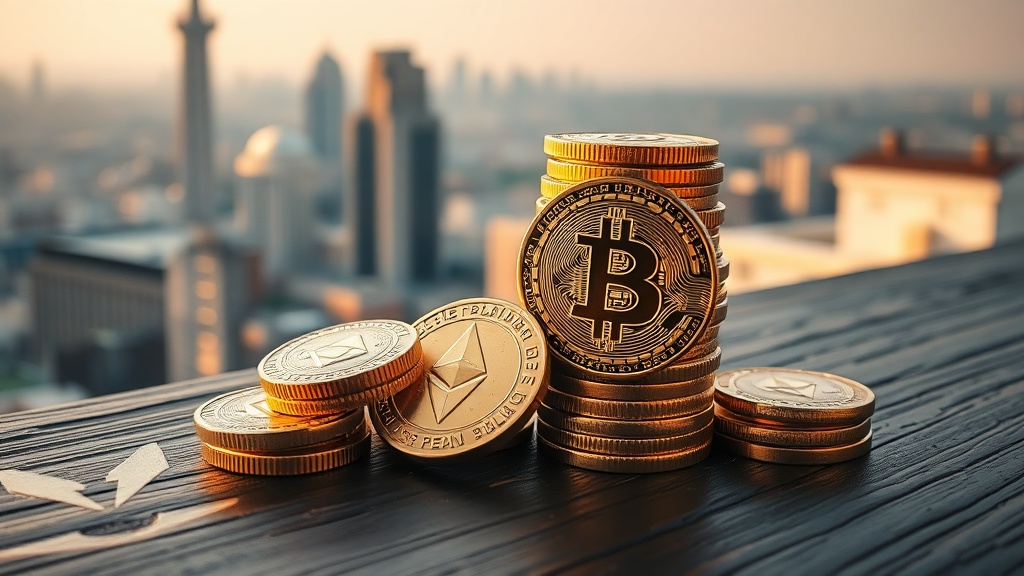
Storing Your Bitcoin Safely: Wallet Options Explained
When it comes to storing your Bitcoin, understanding the differences between hot wallets and cold wallets is essential. Hot wallets are connected to the internet, making them convenient for frequent transactions. However, this connectivity also exposes them to potential hacking attempts. In contrast, cold wallets are offline storage solutions, which significantly enhance security against cyber threats. They can be physical devices or even paper wallets, offering a safer way to store your assets for the long term.
One of the most popular options for cold storage is hardware wallets like the Trezor Model T. Priced around $219, this device provides a user-friendly touchscreen interface and supports a wide range of cryptocurrencies. Hardware wallets store your private keys offline, which means that even if your computer gets compromised, your assets remain safe. The Trezor Model T also incorporates strong encryption and recovery features, ensuring that you can restore access to your funds if needed.
While choosing the right wallet is crucial, implementing best practices for securing your Bitcoin is equally important. Always enable two-factor authentication (2FA) on any wallet or exchange you use. This adds an extra layer of protection by requiring a second form of verification in addition to your password. Additionally, regularly updating your wallet's software can help defend against potential vulnerabilities and exploits.
It’s also wise to keep backups of your wallet's recovery phrase in a secure location. This phrase is essential for recovering access to your funds if you lose your hardware wallet or forget its PIN. Store this information offline and consider using multiple copies in different secure locations to mitigate the risk of loss due to theft or natural disasters.
Summary of Wallet Options
- Hot Wallets: Convenient but vulnerable; ideal for small amounts and frequent trading.
- Cold Wallets: Highly secure; best for long-term storage.
- Hardware Wallets: Devices like Trezor Model T offer robust security features; priced around $219.
By understanding these options and implementing security best practices, beginners can confidently store their Bitcoin while minimizing risks associated with theft or loss.
Is Bitcoin a Good Investment for You? Factors to Consider
Before diving into the world of Bitcoin, it's crucial to assess your risk tolerance. Cryptocurrencies, including BTC, are known for their volatility. Prices can swing dramatically within a short period, sometimes experiencing gains or losses of 10% or more in just one day. If you're someone who feels uneasy with such fluctuations, it may be worth reconsidering how much of your investment capital you allocate toward this asset class. Experts generally recommend that individuals should limit their exposure to cryptocurrencies to no more than 5-10% of their overall portfolio to mitigate risk.
Diversification plays a key role in any investment strategy. By spreading your investments across different asset classes—like stocks, bonds, and real estate—you're less exposed to the risks associated with any single investment. While Bitcoin can serve as an interesting addition to your portfolio, relying solely on it could expose you to unnecessary risk. Consider how BTC fits into your broader investment mix and whether it complements your existing assets. For instance, if the majority of your portfolio consists of traditional stocks, adding a small percentage of cryptocurrencies might enhance your diversification without placing your financial future at stake.
When deciding whether Bitcoin aligns with your goals, think about your investment horizon: are you aiming for short-term gains or long-term stability? Short-term trading can be tempting given the rapid price movements in the crypto market. However, this approach requires significant time and expertise to manage effectively and comes with increased risk. In contrast, adopting a long-term strategy might involve buying Bitcoin and holding it for several years as part of a broader wealth-building plan. Historically, those who have held onto their BTC over longer periods have often seen substantial returns despite short-term market fluctuations.
Key Considerations
- Risk Tolerance: Assess how much volatility you can handle.
- Diversification: Ensure that crypto is just one piece of a well-rounded portfolio.
- Investment Horizon: Decide if you're in it for quick gains or long-term growth.
Ultimately, understanding these factors will help you determine whether investing in Bitcoin is suitable for you. Assessing your own financial situation and goals will guide you in making informed decisions that align with what you're aiming to achieve through investing.
What is the best way to invest in Bitcoin for beginners?
For beginners, starting with a reputable exchange like Coinbase or Kraken can simplify the process of buying Bitcoin. These platforms offer user-friendly interfaces and secure transactions, making them ideal for those new to cryptocurrency investing.
How much Bitcoin should a beginner buy?
Beginners should consider starting with a small amount of Bitcoin to test the waters. This approach allows you to familiarize yourself with the market dynamics without exposing yourself to significant financial risk.
What are the tax implications of investing in Bitcoin?
The IRS treats Bitcoin as property, meaning that capital gains taxes apply when you sell it for a profit. It's important to keep detailed records of your transactions to accurately report your gains or losses on your tax return.
Can I lose all my money investing in Bitcoin?
Yes, investing in Bitcoin carries the risk of losing all your money due to its high volatility. Prices can fluctuate dramatically, so it's crucial to invest only what you can afford to lose and consider diversifying your investments.
Evaluating Bitcoin as an Investment for Beginners
Investing in Bitcoin can be an intriguing opportunity for beginners looking to explore the cryptocurrency market. With its potential for long-term growth, it offers a unique chance to diversify and enhance a traditional investment portfolio. However, it's essential to weigh this potential against the inherent volatility and risks associated with crypto assets.
Understanding your personal financial goals and risk tolerance is paramount when considering Bitcoin as an investment. By approaching this asset with a clear strategy—whether through short-term trading or long-term holding—you can better align your actions with your overall financial objectives. Ultimately, informed decisions based on comprehensive research and self-assessment will determine whether venturing into Bitcoin aligns with your investment strategy.