
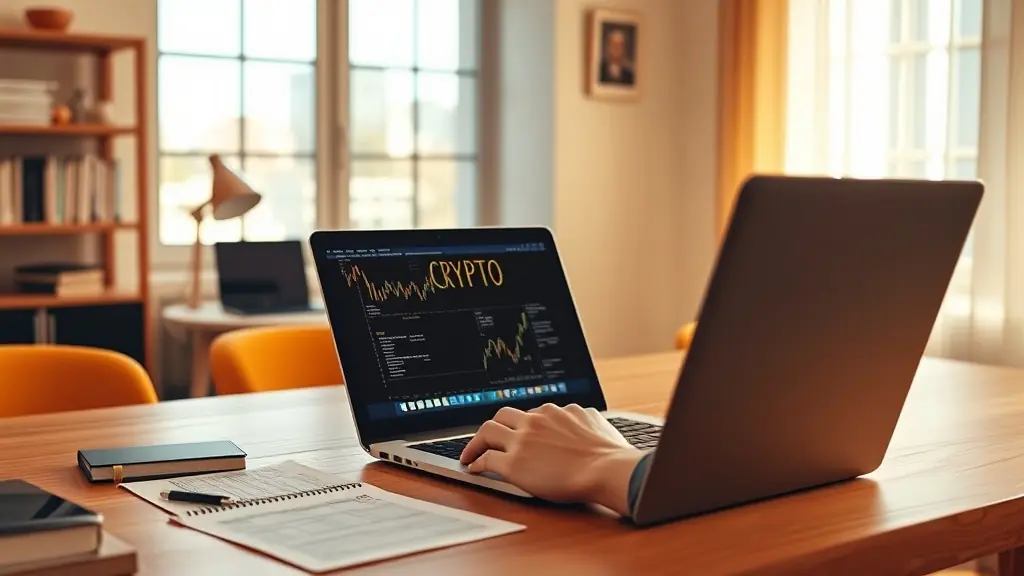
To buy Bitcoin in the USA using a bank transfer, follow these steps: 1. Choose a reputable exchange like Coinbase or Kraken. 2. Create an account and complete the verification process. 3. Link your bank account by providing the necessary information. 4. Deposit USD into your exchange account via bank transfer. 5. Navigate to the Bitcoin trading section and select the amount you wish to purchase. 6. Confirm the transaction and wait for the Bitcoin to appear in your wallet. Ensure you understand fees and security measures.
Have you ever wondered how to easily buy Bitcoin with just a few clicks from your bank account? As the cryptocurrency market continues to expand, more Americans are seeking efficient and secure methods to invest in digital assets. Using a bank transfer to purchase Bitcoin offers a seamless way to enter the crypto world without the hassle of dealing with credit card fees or third-party apps. This step-by-step guide will reveal the most effective strategies for acquiring Bitcoin in the USA, ensuring your transactions are both smooth and secure.
Understanding Bitcoin and Its Value in the USA
Bitcoin is a decentralized digital currency that enables peer-to-peer transactions without the need for an intermediary like a bank. It was created in 2009 by an anonymous entity known as Satoshi Nakamoto and has since evolved into the most widely recognized cryptocurrency. Unlike traditional currencies, Bitcoin operates on a technology called blockchain, which is a public ledger that records all transactions across a network of computers. This ensures transparency and security, making it appealing to users who prioritize privacy and control over their assets.
In the USA, Bitcoin's market has seen significant developments over the past year. As of October 2023, Bitcoin's price has experienced considerable fluctuations, starting at around $30,000 in late 2022 and peaking at approximately $60,000 in early 2023 before settling around $45,000. These price movements have drawn attention from both retail and institutional investors, reflecting a growing interest in cryptocurrencies as an asset class. The increasing acceptance of Bitcoin by major companies and financial institutions has also contributed to its prominence in the U.S. market.
Investing in Bitcoin presents several benefits that attract individuals looking to diversify their portfolios. One key advantage is its potential for high returns; many early adopters have seen substantial gains as Bitcoin's value has risen over the years. Additionally, Bitcoin is often regarded as a hedge against inflation due to its limited supply—only 21 million Bitcoins will ever be created—making it an appealing choice during times of economic uncertainty.
Moreover, Bitcoin offers investors a way to participate in the emerging digital economy. As more businesses begin accepting cryptocurrencies for goods and services, holding Bitcoin can enable consumers to make purchases directly without relying on traditional banking systems. This shift not only empowers users but also signifies a broader acceptance of digital currencies within mainstream finance.
Overall, understanding Bitcoin's role in the U.S. economy is essential for anyone considering investing in this innovative asset class. With its unique properties and growing adoption, Bitcoin continues to shape the future of finance.
Choosing the Right Exchange for Bank Transfers
When it comes to buying Bitcoin with a bank transfer, selecting the right exchange is vital. Among the top choices are Coinbase, Kraken, Crypto.com, and Uphold. Each platform has its strengths and weaknesses, so it's worth comparing them based on fees, security measures, and overall user experience. For instance, Coinbase is known for its user-friendly interface and ease of use for beginners, while Kraken offers a wider range of cryptocurrencies and advanced trading features for more experienced traders.
Fees can significantly impact your overall investment cost. Coinbase charges a bank transfer fee of 1.5%, which may seem reasonable compared to other platforms. However, it's essential to look at the entire fee structure, including trading fees and withdrawal fees. Kraken has a tiered fee structure that can benefit high-volume traders but might be less favorable for casual buyers. Crypto.com offers competitive rates and rewards programs but may have hidden fees that could catch users off guard. Uphold stands out with its transparent pricing model but is limited in the number of cryptocurrencies available for purchase.
Security is another critical factor to consider when choosing an exchange. A reputable exchange should implement strong security measures such as two-factor authentication (2FA), cold storage for assets, and regular security audits. Coinbase has a solid reputation for security and insures users’ funds against breaches, making it a popular choice among investors concerned about safety. Kraken also emphasizes security with its industry-leading measures and has never been hacked since its inception in 2011. On the other hand, while Crypto.com has made strides in securing its platform, it faced a notable breach in early 2022 that raised concerns among users.
Key Factors to Consider
- Fees: Compare deposit, trading, and withdrawal fees across platforms.
- Security: Look into the exchange’s security protocols and history of breaches.
- User Experience: Evaluate how easy it is to navigate the platform and execute trades.
- Customer Support: Check if the exchange offers reliable customer service options.
By carefully weighing these factors—fees, security measures, user experience—you’ll be better equipped to choose an exchange that meets your needs for purchasing Bitcoin via bank transfer.
Setting Up Your Account for Bank Transfers
To buy Bitcoin using a bank transfer, the first step is creating an account on a reputable cryptocurrency exchange. Popular choices include Coinbase, Kraken, Crypto.com, and Uphold. During the registration process, you’ll need to provide your email address and create a secure password. Ensure that your password is strong—ideally a mix of letters, numbers, and special characters—to protect your account from unauthorized access.
Once you’ve created your account, the next step is to verify your identity. This process is essential for complying with U.S. regulations aimed at preventing fraud and money laundering. Most exchanges require you to submit a government-issued ID, such as a driver’s license or passport. You may also need to provide additional information like your Social Security number and proof of address through utility bills or bank statements.
After submitting your verification documents, the exchange will review them—this can take anywhere from a few minutes to several days depending on the platform’s processing times. Once verified, you’ll receive confirmation via email. Keep in mind that some exchanges may require you to enable two-factor authentication (2FA) for added security, which is highly recommended.
The final step in setting up your account involves linking it to your bank account. This process varies by exchange but generally includes entering your bank details directly into the platform or using a third-party service like Plaid for secure connection. Make sure to use an account that allows ACH transfers, as this method is typically used for buying Bitcoin via bank transfers. After linking your bank account, it may take a few days for the exchange to complete verification; however, once linked successfully, you'll be able to fund your account easily.
With everything set up—your account created, identity verified, and bank account linked—you’re now ready to purchase Bitcoin through bank transfers smoothly and securely.
Executing Your First Bitcoin Purchase
Once you've set up your account on a cryptocurrency exchange like Coinbase or Kraken, you'll need to navigate their interface to buy Bitcoin. Each platform has a user-friendly dashboard where you can see your account balance, market prices, and available trading options. Look for the "Buy" or "Trade" button, typically located prominently on the homepage. This is where you'll initiate your purchase.
Next, select Bitcoin (BTC) as the cryptocurrency you want to buy. You'll be prompted to enter the amount you wish to purchase. On Coinbase, for example, the minimum purchase amount is $10. This means you can start small and gradually increase your investment as you become more comfortable with the process. Be mindful of transaction fees that might apply, as they can vary by exchange.
After entering the desired amount, review your order details carefully. Most exchanges will show you a summary of your transaction, including the total cost and any fees associated with the purchase. If everything looks good, confirm your buy order. Some platforms might require additional verification steps at this stage, such as two-factor authentication or email confirmation.
Once you've placed your order, you'll receive a notification confirming the transaction. This is usually accompanied by a transaction ID that you can use for tracking purposes. You can monitor the status of your purchase in your account under a section labeled "Orders" or "Transaction History." This allows you to see when your Bitcoin has been credited to your wallet.
Tracking Your Purchase
After executing your buy order, it's essential to keep an eye on its status until it completes. Some exchanges may take longer than others to process transactions due to network congestion or other factors. If you're using a software wallet like Coinbase Wallet or Trust Wallet, ensure that you've transferred your Bitcoin from the exchange wallet for added security.
In summary, executing your first Bitcoin purchase involves navigating the exchange interface, placing a buy order with at least $10 on platforms like Coinbase, and tracking the transaction until it’s confirmed in your wallet.
Safeguarding Your Bitcoin After Purchase
Once you’ve bought Bitcoin, securing it becomes a top priority. You have two main options for storing your Bitcoin: keeping it on an exchange or moving it to a wallet. While exchanges like Coinbase and Kraken offer convenience for trading, they also pose risks, such as potential hacking incidents. For long-term storage, using a crypto wallet is generally safer, especially if you’re holding significant amounts of Bitcoin.
When choosing a wallet, you can opt for hardware wallets or software wallets. Hardware wallets, such as the Ledger Nano X and Trezor Model T, provide enhanced security by storing your private keys offline. The Ledger Nano X can hold over 5,500 coins, making it an excellent choice for those looking to manage multiple cryptocurrencies securely. Trezor Model T also offers robust security features and supports a wide range of cryptocurrencies.
Best practices for securing your crypto assets include enabling two-factor authentication (2FA) on your accounts and wallets. This adds an extra layer of security by requiring a second form of verification when accessing your funds. Additionally, always keep your recovery phrases and private keys secure and never share them with anyone. It’s wise to store this information in a safe place—preferably offline—to prevent theft or loss.
Regularly updating your software is another essential practice. Wallets and exchanges frequently release updates to patch vulnerabilities and enhance security features. By keeping your software current, you can better protect yourself from potential threats. Also, consider diversifying your storage methods; keeping some Bitcoin on an exchange for trading while storing the majority in a hardware wallet can balance accessibility with security.
Ultimately, safeguarding your Bitcoin involves understanding the risks associated with different storage options and implementing best practices to mitigate those risks. By using reputable wallets and following these guidelines, you can significantly enhance the security of your Bitcoin holdings.
What is the easiest way to buy Bitcoin in the USA?
The easiest way to buy Bitcoin in the USA is through a trusted exchange like Coinbase. They offer user-friendly interfaces, secure transactions, and support for bank transfers.
Are there fees for buying Bitcoin with a bank transfer?
Yes, there are fees for buying Bitcoin with a bank transfer, and they vary by exchange. It's important to check the fee structure of your chosen platform before making a purchase.
Enhancing Security While Buying Bitcoin
Buying Bitcoin through bank transfers in the USA offers a secure and convenient option when using reputable exchanges like Coinbase. By following best practices such as enabling two-factor authentication and using secure storage methods, you can significantly enhance your asset protection. Diversifying where you store your Bitcoin, such as using both exchange wallets for trading and hardware wallets for long-term storage, also adds an extra layer of security.
Regular updates to your software are crucial to maintaining security as they help patch vulnerabilities and enhance protection features. By staying informed about potential risks and implementing robust security measures, you can confidently manage your Bitcoin investments. Whether you're new to crypto or an experienced trader, taking these steps will ensure that your digital assets remain safe from potential threats.