

To safely store your Bitcoin in 2026, prioritize using cold wallets, such as hardware wallets like Ledger Nano X or Trezor Model T, which keep your assets offline and secure from hacks. While hot wallets, like Coinbase Wallet, offer convenience for transactions, they are more susceptible to cyber threats. Regularly update your security practices, utilize multi-signature solutions, and stay informed about regulatory changes in the US. Always back up your wallet and keep your private keys secure to protect your investment in USD.
As Bitcoin continues to gain popularity, how can you ensure your investment is safe from hacks and theft? With the value of Bitcoin soaring and cyber threats becoming more sophisticated, safeguarding your assets in 2026 demands up-to-date strategies and technologies. From hardware wallets to multi-signature solutions, understanding the latest security measures is crucial for protecting your cryptocurrency. This guide explores the evolving tools and regulatory landscape to help you make informed decisions and keep your Bitcoin secure in an ever-changing digital world.
Understanding Bitcoin Storage: Hot vs. Cold Wallets
When it comes to storing Bitcoin, understanding the difference between hot and cold wallets is essential for any user. A hot wallet is connected to the internet, making it easily accessible for transactions. These wallets are typically software-based, such as Coinbase Wallet or Trust Wallet, which allow for quick buying, selling, and trading of the asset. However, this convenience comes with increased risks. Because they're online, hot wallets are more vulnerable to hacking and phishing attacks.
On the other hand, cold wallets are offline storage solutions that keep your Bitcoin secure from online threats. These include hardware wallets like Ledger Nano X and Trezor Model T, as well as paper wallets. By storing your private keys offline, cold wallets provide a much higher level of security against cyber threats. This makes them ideal for long-term holding or "HODLing" of Bitcoin without the need for frequent access.
Each storage method has its pros and cons. Hot wallets offer unmatched convenience, allowing users to quickly access their funds for trading or spending. However, their connection to the internet means they can be susceptible to various forms of cyberattacks. For instance, in 2021 alone, numerous high-profile hacks targeted exchanges and hot wallet services, leading to significant losses for users.
Cold wallets provide a robust defense against these threats but require a bit more effort to set up and use. Users must ensure they safely store their hardware devices or paper keys away from physical hazards like fire or theft. While this method is less convenient for regular transactions, it’s often recommended for those who hold large amounts of Bitcoin and wish to minimize risk.
In summary, choosing between a hot or cold wallet depends on your individual needs and usage patterns. If you plan on actively trading or using your BTC regularly, a hot wallet may be suitable despite its risks. Conversely, if you’re looking to securely store your assets long-term without frequent access, a cold wallet is likely the better option.
Top Hardware Wallets for Bitcoin Security in 2026
When it comes to securely storing BTC, hardware wallets remain the gold standard for long-term storage. They provide a physical device that keeps your private keys offline, protecting them from hacking attempts and malware. Two of the leading options available today are the Ledger Nano X and Ledger Stax, both offering advanced features tailored for security-conscious users.
The Ledger Nano X, priced around $149, is known for its Bluetooth connectivity, allowing users to manage their assets on mobile devices without compromising security. It supports over 1,800 cryptocurrencies and has a sleek design with a built-in battery, making it portable and convenient. On the other hand, the Ledger Stax introduces a unique touchscreen interface that enhances user experience. It also allows for a customizable display, which can add an extra layer of personal security by enabling users to see their chosen artwork whenever they access their device.
For those considering Trezor products, the Trezor Model T and Trezor Safe 5 are worth examining. The Model T, priced at approximately $219, features a color touchscreen and supports more than 1,800 coins as well. Its open-source software ensures transparency and community trust. In contrast, the Trezor Safe 5 has a more compact design and focuses on essential features without sacrificing security. While it may not have all the bells and whistles of its counterpart, it still provides robust protection for your assets.
Choosing the Right Hardware Wallet
Selecting between these devices often depends on personal preferences regarding usability and specific features. For instance, if you prioritize portability and Bluetooth connectivity, the Ledger Nano X might be your best bet. However, if you prefer an intuitive touchscreen experience with a focus on transparency, consider opting for the Trezor Model T.
The importance of using hardware wallets cannot be overstated when it comes to long-term Bitcoin storage. Unlike software wallets that connect to the internet and expose your keys to potential risks, these physical devices provide an offline solution that significantly reduces vulnerability to cyber threats. Investing in a reliable hardware wallet is essential for safeguarding your digital assets against evolving risks in 2026.
Choosing the Right Software Wallet for Your Needs
When selecting a software wallet, it's essential to consider your specific needs and how each option aligns with them. For beginners, Coinbase Wallet stands out due to its user-friendly interface and robust security features. This wallet supports over 500 cryptocurrencies, making it a versatile choice for those looking to explore various digital assets beyond just Bitcoin. Additionally, the integration with Coinbase's exchange platform allows users to easily transition between trading and storing their assets.
Trust Wallet is another excellent option, particularly for mobile users. This wallet is designed for seamless access on smartphones, providing an intuitive experience that allows users to manage their assets on the go. One of its significant advantages is the ability to store not only BTC but also tokens from various blockchains, giving users flexibility in their holdings. Trust Wallet also emphasizes privacy, as it doesn’t require personal information to set up an account.
For those interested in decentralized finance (DeFi), MetaMask offers exceptional compatibility with numerous DeFi applications. This wallet acts as a bridge between traditional browsers and the Ethereum blockchain, enabling users to easily interact with decentralized exchanges and liquidity pools. With MetaMask, you can manage your BTC through wrapped tokens and access a wide range of DeFi services while maintaining control over your private keys.
Each of these wallets has unique features catering to different types of users. Beginners might appreciate the simplicity of Coinbase Wallet, while mobile users will find Trust Wallet's design appealing. On the other hand, if you're diving into DeFi, MetaMask provides the necessary tools to navigate this rapidly growing space effectively. Ultimately, the right choice depends on your individual needs and how you plan to use your Bitcoin and other cryptocurrencies.
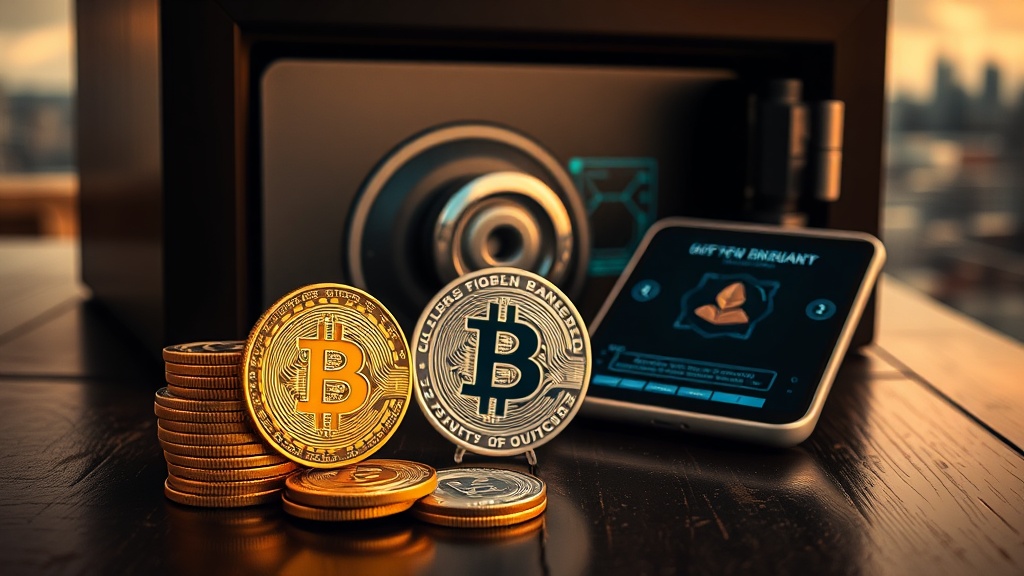
Implementing Best Practices for Bitcoin Storage Security
To effectively safeguard your Bitcoin holdings, implementing robust security measures is paramount. One of the most critical steps is utilizing two-factor authentication (2FA). This extra layer of security can reduce the risk of unauthorized access by up to 99%. By requiring not just a password but also a second form of verification, such as a text message or an authentication app, you significantly bolster your defenses against potential threats. Most reputable exchanges and wallets offer 2FA as a standard feature, so enabling it should be one of your first actions when setting up any crypto account.
Regular software updates play a vital role in maintaining security. Developers frequently release updates to address vulnerabilities and enhance features. By keeping your wallet software and device operating systems up to date, you minimize the risk of exploitation from malicious actors. For example, many breaches occur because users neglect to install important patches that fix known security flaws. Make it a habit to check for updates at least once a month, ensuring that you're always using the latest version available.
Another essential practice is using strong, unique passwords for all your crypto accounts and wallets. A password should ideally be at least 12 characters long and include a mix of letters, numbers, and symbols. Avoid using easily guessed information like birthdays or common words. Instead, consider using a password manager to generate and store complex passwords securely. This way, you can maintain high-level security without the burden of memorizing each password.
Additional Security Measures
- Hardware Wallets: Consider storing your assets on hardware devices like the Ledger Nano X or Trezor Model T for added protection against online threats.
- Backup Recovery Seeds: Always back up your recovery seed phrases in a secure location. These phrases are essential for recovering access if your wallet is lost or damaged.
- Phishing Awareness: Stay vigilant against phishing attempts by verifying URLs and avoiding clicking on suspicious links in emails or messages.
By following these best practices, you can significantly enhance the security of your Bitcoin assets. The cryptocurrency landscape is constantly evolving; staying informed and proactive about security will help protect your investments from emerging threats.
Navigating Regulatory Changes Affecting Bitcoin Storage
The regulatory environment for cryptocurrency in the U.S. is evolving rapidly, particularly concerning the storage of digital assets like Bitcoin. In 2026, several new regulations have been introduced to enhance transparency and security in the crypto space. The Financial Crimes Enforcement Network (FinCEN) has mandated stricter Know Your Customer (KYC) requirements for exchanges and wallet providers, which influences how users can store their assets. This shift aims to combat money laundering and illicit activities while pushing users toward more secure storage solutions.
One significant development is the Internal Revenue Service (IRS) implementing new guidelines for reporting cryptocurrency holdings and transactions. These changes require individuals to accurately report their Bitcoin activities, including any capital gains or losses incurred from sales. For instance, IRS Form 8949 is now essential for reporting capital gains from Bitcoin transactions. This form enables taxpayers to detail each transaction involving BTC, ensuring compliance with federal tax obligations. As a result, users must keep precise records of their storage methods and transaction histories to meet these reporting requirements.
In addition to IRS guidelines, state-level regulations are also shaping how Bitcoin can be stored. Several states have introduced legislation aimed at protecting consumers while also fostering innovation in the crypto sector. For example, laws that encourage blockchain technology adoption in financial services are becoming more prevalent, potentially leading to new custodial services that prioritize security and user autonomy. As these regulations unfold, it’s crucial for users to stay informed about local laws that might affect their preferred storage methods.
Future Trends in Crypto Regulation
Looking ahead, we can expect further developments in cryptocurrency regulation that will impact Bitcoin storage strategies. One emerging trend is the push for centralized digital currency frameworks by various government bodies. This could lead to a hybrid model where traditional financial institutions partner with crypto platforms to offer regulated storage solutions that comply with both federal and state laws. Users should prepare for a landscape where compliance becomes a key element of any storage strategy.
Ultimately, adapting to these regulatory changes will be vital for anyone holding Bitcoin in 2026. By staying updated on IRS requirements and state laws, individuals can ensure they are using secure methods for storing their assets while remaining compliant with evolving regulations.
What is the safest way to store Bitcoin?
The safest way to store Bitcoin is by using a hardware wallet like the Ledger Nano X or Trezor Model T. These devices keep your private keys offline, reducing the risk of hacking and unauthorized access.
Are software wallets safe for Bitcoin?
Software wallets, such as Coinbase Wallet or Trust Wallet, offer convenience and ease of use but are generally less secure than hardware wallets. They are connected to the internet, making them more vulnerable to cyber threats.
How often should I back up my Bitcoin wallet?
You should back up your Bitcoin wallet regularly, especially after significant transactions. This ensures that you can recover your funds in case of device failure or loss.
What are the tax implications of storing Bitcoin?
When storing Bitcoin, it's important to report any capital gains using IRS Form 8949. Staying compliant with tax regulations can prevent legal issues and potential penalties.
Adapting Your Bitcoin Storage Strategy for 2026
The evolving landscape of cryptocurrency regulation means that staying informed is more important than ever for securely storing Bitcoin. As centralized digital currency frameworks gain traction, users will need to adapt their strategies to align with new compliance requirements. This includes staying updated on both federal and state laws that may affect their storage methods.
In addition to regulatory changes, advancements in technology present opportunities for safer storage solutions. By leveraging modern hardware wallets and exploring regulated custodial services, users can enhance their security while maintaining control over their assets. Embracing these developments will be crucial for anyone looking to protect their Bitcoin investments in the coming years.