
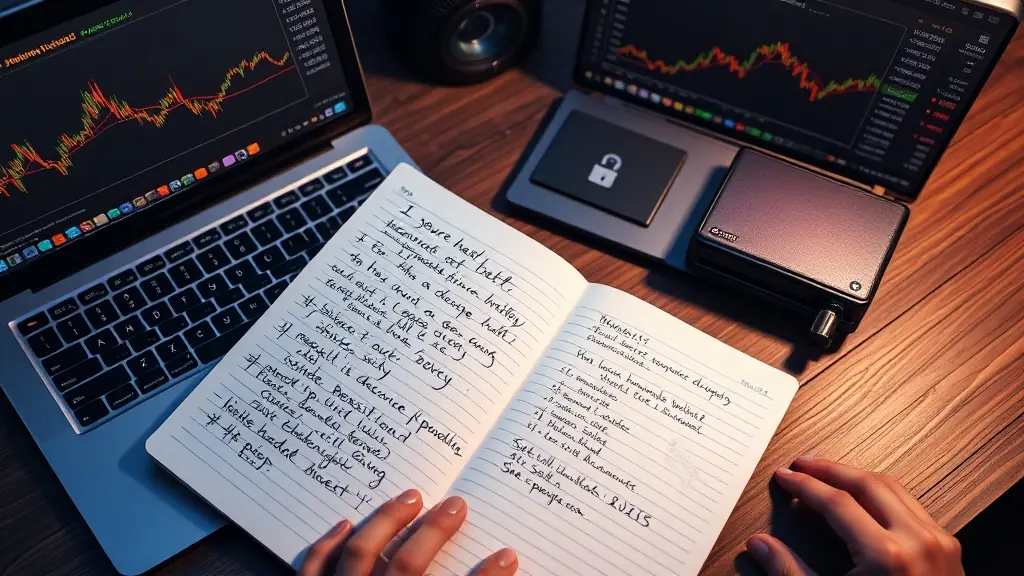
To safely store your cryptocurrency in 2026, utilize hardware wallets for offline storage, significantly reducing hacking risks. Consider multi-signature wallets for added security, requiring multiple approvals for transactions. Regularly update your software and use reputable US platforms, ensuring they comply with regulations. Enable two-factor authentication (2FA) on all accounts to enhance security. Diversify your holdings across different wallets to minimize risk. Lastly, stay informed about evolving cyber threats and regulatory changes to adapt your storage strategies accordingly.
With the rise of cyber threats and regulatory changes, how can you ensure your cryptocurrency is stored safely in 2026? As digital currencies continue to gain traction, the methods for securely storing them must evolve to counteract increasingly sophisticated cybercriminals and adapt to new regulations. If you're invested in cryptocurrency, protecting your assets is crucial to avoid potentially devastating losses. This article examines the top strategies for safely storing your cryptocurrency in 2026, equipping you with the knowledge to safeguard your investments effectively in this ever-changing landscape.
Understanding the Importance of Secure Crypto Storage
In recent years, the frequency of hacking incidents targeting cryptocurrencies has escalated dramatically. In 2022 alone, cybercriminals stole an estimated $3.8 billion worth of digital assets, highlighting the vulnerability of both individuals and exchanges. As more people enter the crypto space, the stakes are higher; hackers are becoming increasingly sophisticated, using advanced techniques to exploit weak points in security systems. This alarming trend makes it essential for holders to prioritize secure storage methods to protect their investments.
Insecure storage practices can lead to devastating losses. Many users still rely on basic wallets or leave their assets on exchanges, which are prime targets for attacks. A single oversight—like using weak passwords or failing to enable two-factor authentication—can result in losing everything. For example, several high-profile cases have shown how individuals lost millions due to inadequate security measures. The bottom line is that without robust storage solutions, anyone can become a victim of theft.
Moreover, there's a growing regulatory landscape surrounding cryptocurrency storage that holders must consider. Governments worldwide are emphasizing compliance and security, mandating stricter guidelines for exchanges and custodians. Failing to adhere to these regulations can lead to severe penalties and even criminal charges in some jurisdictions. This shift means that users need to be proactive about their storage practices not only to safeguard their funds but also to stay compliant with local laws.
As cryptocurrency continues to gain traction, understanding the importance of secure storage becomes paramount. Whether it's using hardware wallets like Ledger Nano X or Trezor Model T, or opting for trusted software wallets such as Coinbase Wallet or MetaMask, making informed choices can significantly reduce risks. By prioritizing security and staying updated on best practices, crypto holders can ensure their investments remain safe against evolving threats.
Evaluating Hardware Wallets: Ledger vs. Trezor
When it comes to securely storing cryptocurrency, hardware wallets are a top choice for many users. Two of the most popular options are the Ledger Nano X and the Trezor Model T. Both devices offer strong security features, but there are key differences that can help you decide which one suits your needs best.
The Ledger Nano X boasts a robust security architecture that includes a secure element chip (CC EAL5+) and a proprietary operating system called BOLOS. This ensures that your private keys remain isolated from potential threats. Meanwhile, the Trezor Model T also provides solid protection with its open-source firmware and secure chip technology. However, it’s essential to mention that while both devices offer strong security, the Ledger's proprietary OS can offer an additional layer of defense against certain types of attacks.
User experience is another factor to consider. The Ledger Nano X features Bluetooth connectivity, allowing for easy access via mobile devices, which is ideal for users who prefer managing their assets on the go. In contrast, the Trezor Model T has a larger touchscreen interface, making navigation more intuitive and user-friendly. However, this added convenience may come at a cost; some users find that the touchscreen can be less responsive compared to physical buttons used in other models.
Price is also an important consideration when evaluating these two options. The Ledger Nano X is priced at $149, making it a more affordable choice for those looking to invest in hardware security without breaking the bank. On the other hand, the Trezor Model T retails at $219. While it offers premium features like a touchscreen and open-source software, you need to weigh whether these enhancements justify the higher price tag based on your personal usage and security needs.
In summary, both the Ledger Nano X and Trezor Model T provide excellent security for your cryptocurrencies. If you value affordability and mobile convenience, the Ledger might be your best bet. Conversely, if you prefer a larger display and open-source software, then investing in the Trezor could be worthwhile despite its higher price.
The Role of Software Wallets in Crypto Security
Software wallets have become a popular choice for users looking to manage their cryptocurrency conveniently and securely. One standout option is Coinbase Wallet, which supports over 500 cryptocurrencies, making it an excellent tool for everyday transactions. Its user-friendly interface allows both beginners and experienced users to easily send and receive digital assets. Additionally, the wallet integrates seamlessly with the Coinbase exchange, enabling quick transfers and trades without needing to switch platforms.
Trust Wallet and MetaMask also offer robust security features that enhance user protection. Trust Wallet employs a variety of encryption techniques to safeguard private keys on the user's device, meaning that only the user has access to their funds. This self-custody approach minimizes risks associated with third-party services. Similarly, MetaMask provides a secure environment for managing Ethereum-based tokens and decentralized applications (dApps), incorporating features like seed phrase backup and biometric authentication for added security.
Despite the advantages, users must be aware of potential risks associated with software wallets. Phishing attacks are prevalent in the crypto space, where malicious actors impersonate legitimate services to steal login credentials or private keys. It’s crucial for users to verify URLs and avoid clicking on suspicious links. Additionally, keeping software wallets updated ensures that users benefit from the latest security enhancements and bug fixes.
To further secure software wallets, adopting best practices is essential. Users should enable two-factor authentication (2FA) whenever possible and store recovery phrases in a safe place offline. Regularly reviewing transaction history can help detect any unauthorized activities early on. Lastly, consider using hardware wallets for larger amounts or long-term storage while maintaining smaller sums in software wallets for everyday use.
By understanding the benefits and risks of software wallets, users can make informed decisions about their crypto storage strategies while leveraging modern security features effectively.
Implementing Multi-Signature Solutions for Enhanced Security
Multi-signature wallets, often referred to as multi-sig wallets, add a significant layer of security to cryptocurrency storage. Unlike traditional wallets that require only one private key to authorize transactions, multi-sig solutions necessitate multiple signatures from different keys. This means that a transaction can only be completed when a specified number of signatures are provided, which mitigates the risk of unauthorized access. For instance, a wallet configured with a 2-of-3 signature policy would require at least two out of three designated keys to approve any transaction, making it considerably harder for a single point of failure to compromise the funds.
The benefits of using multi-sig wallets extend beyond individual users; they are particularly advantageous for joint accounts and businesses. In scenarios where multiple stakeholders need to access funds, multi-sig wallets ensure that no one person has unilateral control over the assets. This shared responsibility can enhance transparency and trust among partners while reducing the chances of fraud or mismanagement. For example, a small business might use a 2-of-3 multi-sig wallet where two owners must agree on any expenditure, thus safeguarding company funds from impulsive decisions.
Furthermore, implementing multi-signature solutions can simplify recovery processes in case of lost keys. If one key is misplaced or becomes inaccessible, the remaining keys can still authorize transactions and maintain access to the wallet's contents. This feature is especially useful in organizations where multiple team members may hold keys, providing resilience against individual losses.
Popular Multi-Signature Wallet Options
Several reputable multi-sig wallet options are available today that cater to various needs. For instance, Gnosis Safe is widely recognized for its user-friendly interface and robust security features tailored for decentralized organizations and projects. Similarly, BitGo offers enterprise-level multi-sig solutions with advanced compliance tools suitable for businesses handling large transactions. Additionally, users can consider hardware wallets like Ledger Nano X or Trezor Model T that support multi-signature functionalities when coupled with compatible software solutions.
In summary, utilizing multi-signature wallets provides enhanced security by requiring multiple approvals for transactions. This approach not only protects against unauthorized access but also fosters accountability among users in joint accounts or business settings. As cryptocurrency storage evolves in 2026, adopting these strategies will be crucial for safeguarding digital assets.
Staying Informed: Keeping Up with Crypto Security Trends
In the ever-evolving landscape of cryptocurrency, staying informed about security trends is essential for safeguarding your assets. Regularly following dedicated resources can help you understand emerging threats and protective measures. Some of the top crypto security blogs and news sites to keep an eye on include CoinTelegraph, CryptoSlate, and The Block. These platforms provide timely updates on vulnerabilities, hacking incidents, and best practices for securing your holdings.
Community engagement plays a key role in enhancing your knowledge about crypto security. Participating in forums like Reddit’s r/CryptoCurrency or Bitcointalk allows you to exchange insights with fellow enthusiasts and industry experts. These discussions often reveal firsthand experiences with scams or breaches that may not be covered in mainstream media. By being part of these communities, you can gain valuable tips and learn from others' mistakes, which can be crucial for protecting your investments.
Adapting to new threats is a continuous process that demands vigilance. Cybercriminals are constantly developing sophisticated methods to compromise digital assets, so it's important to stay ahead of the curve. This means regularly updating your software and hardware wallets to the latest versions, as they often include security patches that address newly discovered vulnerabilities. Additionally, enabling two-factor authentication (2FA) on all accounts adds an extra layer of protection against unauthorized access.
Regularly Review Security Practices
Establish a routine to review your security practices periodically. Consider conducting a self-audit every few months to assess the effectiveness of your current strategies. Ask yourself questions such as: Are my passwords strong enough? Am I using a reputable wallet? Have I enabled all available security features? By regularly evaluating these aspects, you can identify areas for improvement and ensure that you're not complacent in the face of evolving threats.
The bottom line is that being proactive about crypto security requires both knowledge and engagement. By staying informed through trusted resources, actively participating in community discussions, and adapting to emerging risks, you can significantly enhance the safety of your cryptocurrency holdings.
What is the safest way to store cryptocurrency?
The safest way to store cryptocurrency is by using a hardware wallet, such as the Ledger Nano X or Trezor Model T. These devices keep your private keys offline, reducing the risk of hacking and unauthorized access.
Are software wallets secure for storing crypto?
Software wallets provide convenience but are generally less secure than hardware wallets because they remain connected to the internet. To enhance security, use reputable software wallets like Coinbase Wallet and enable additional protections such as two-factor authentication.
What is a multi-signature wallet?
A multi-signature wallet requires multiple private keys to authorize a transaction, adding an extra layer of security. This means that even if one key is compromised, unauthorized transactions cannot occur without the others.
How often should I update my crypto storage methods?
You should regularly update your crypto storage methods as new threats and technologies emerge. This includes updating both your hardware and software wallets to ensure they have the latest security features.
Maximizing Cryptocurrency Security in a Changing Landscape
As digital currency continues to evolve, so do the threats it faces. It's crucial for investors to adopt a proactive approach by regularly updating their storage solutions and security practices. Hardware wallets like Ledger and Trezor offer robust protection by keeping assets offline, while software options must be supplemented with strong authentication measures.
Conducting periodic self-audits can help identify potential weaknesses in your security setup, ensuring that you remain vigilant against new vulnerabilities. Engaging with trusted resources and communities can provide valuable insights into emerging risks, enabling you to adapt quickly. By combining these strategies, you can significantly enhance the safety of your cryptocurrency holdings in an ever-changing environment.