

Fannie Mae-backed Bitcoin home mortgages are now available, as announced by Coinbase. This innovative financing option allows potential homeowners to purchase property using Bitcoin instead of traditional USD cash. Fannie Mae, a key player in the U.S. housing market, aims to enhance liquidity and affordability by integrating cryptocurrency into its offerings. This shift could significantly impact how Americans secure mortgages and invest in real estate, reflecting a growing acceptance of Bitcoin in various sectors, including housing.
Have you ever imagined buying your dream home using Bitcoin instead of traditional cash? That dream is now a reality as Fannie Mae-backed Bitcoin home mortgages are finally here, according to Coinbase. This groundbreaking development is poised to reshape the US housing market, offering a fresh perspective on property financing. For potential homeowners and investors alike, the implications could be far-reaching, but what exactly does this mean for the future of home buying and cryptocurrency's role in it? Dive into the details to discover how this innovative approach could change the way Americans secure their homes.
Understanding Fannie Mae's Role in Bitcoin Home Mortgages
Fannie Mae, officially known as the Federal National Mortgage Association, is a government-sponsored enterprise that plays a crucial role in the U.S. housing market. Established in 1938, its primary function is to provide liquidity, stability, and affordability to the mortgage market by purchasing loans from lenders. This process enables lenders to offer more mortgages to consumers. Traditionally, Fannie Mae has focused on conventional loans backed by government insurance programs, but its recent move into the realm of Bitcoin-backed mortgages marks a significant shift in its offerings.
The growing acceptance of Bitcoin in various sectors, including real estate, has opened new avenues for financing homes. In recent years, more buyers have sought to use cryptocurrency to purchase properties directly or as collateral for loans. This trend reflects a broader acceptance of digital assets among consumers and investors alike. As cryptocurrencies gain traction, integrating them into mortgage products allows organizations like Fannie Mae to cater to this emerging market while staying relevant in a rapidly changing financial landscape.
Fannie Mae's approach to Bitcoin-backed mortgages differs significantly from traditional lending practices. While conventional loans require standard documentation and income verification, Fannie Mae has established specific guidelines for these new offerings. For instance, they mandate that borrowers must convert their cryptocurrency into U.S. dollars before closing the mortgage transaction. This requirement mitigates risks associated with price volatility while ensuring compliance with existing financial regulations.
Additionally, Fannie Mae's guidelines specify that borrowers must demonstrate consistent income levels and creditworthiness similar to traditional mortgage applicants. However, the inclusion of Bitcoin as an asset can enhance the financial profile of applicants who may have substantial holdings in digital currencies. This flexibility allows potential homeowners who previously faced barriers to entry in the housing market due to lack of traditional income sources an opportunity to secure financing.
As this innovative integration unfolds, it’s essential for buyers interested in these new mortgage products to stay informed about both the benefits and challenges they may face in this evolving space.
In summary, Fannie Mae's involvement with Bitcoin-backed home mortgages represents a significant evolution in how financing can be approached within the real estate sector. By adapting its guidelines and incorporating cryptocurrency into its offerings, Fannie Mae is not only expanding its portfolio but also addressing a growing demographic of tech-savvy homebuyers.
Coinbase's Involvement in Bitcoin Home Mortgages
Coinbase has taken a significant step by partnering with Fannie Mae to facilitate Bitcoin-backed home mortgages. This collaboration allows buyers to use their cryptocurrency holdings as collateral for securing loans. Coinbase's role primarily revolves around providing the necessary infrastructure for these transactions, ensuring that the conversion from digital assets to fiat currency is seamless. By leveraging its established platform, Coinbase aims to simplify the process for potential homeowners looking to finance their property purchases using BTC.
For users of Coinbase Wallet, this partnership brings several benefits. First, it enables them to utilize their crypto assets without liquidating them. This means that homeowners can maintain their investment positions while accessing funds needed for a mortgage. Additionally, users can manage their transactions directly through the wallet, making it easier to track and control their finances. The integration of this service directly into Coinbase Wallet enhances user experience by allowing secure and efficient management of both crypto and fiat transactions.
Security and compliance are paramount in the financial sector, especially when dealing with cryptocurrencies. Coinbase takes these concerns seriously by implementing robust security measures to protect user assets throughout the mortgage process. The platform utilizes advanced encryption technologies and multi-factor authentication to safeguard transactions. Moreover, Coinbase adheres to all relevant regulations and compliance standards set forth by financial authorities, ensuring that the mortgage products offered align with federal guidelines.
As part of its fee structure for mortgage transactions, Coinbase charges a competitive rate designed to attract users while covering operational costs. Typically, this fee ranges from 1% to 1.5% of the total transaction amount, depending on the specifics of the loan agreement. This transparent pricing model allows buyers to understand their costs upfront without hidden charges, making it easier for them to budget effectively.
In summary, Coinbase’s involvement in Bitcoin home mortgages not only opens new avenues for financing but also empowers users with tools designed for security and ease of access. As more individuals look towards cryptocurrency as a viable means of managing their finances, services like these are likely to reshape how home purchases are conducted in the future.
Advantages of Using Bitcoin for Home Purchases
Utilizing Bitcoin for home purchases offers several notable benefits, starting with transaction fees. Traditional mortgage transactions can incur various costs, including origination fees, appraisal fees, and closing costs. These charges can total anywhere from 2% to 5% of the home’s price. In contrast, using the Bitcoin network typically results in lower transaction fees. For example, during peak times, the average fee to send BTC is around $1 to $3, significantly less than conventional methods.
Another advantage is the speed at which transactions can occur within the Bitcoin ecosystem. Traditional mortgage processes often take weeks or even months due to paperwork and bank approvals. With Bitcoin, transactions can be completed within minutes once both parties agree on terms. This rapid processing not only speeds up the buying process but also allows for a more efficient negotiation phase between buyers and sellers.
Tax implications also play a crucial role in why many are considering BTC for real estate purchases. In some cases, using Bitcoin may allow buyers to defer capital gains taxes if they reinvest the proceeds into another property. Additionally, individuals may benefit from favorable tax treatment if they use BTC as a form of payment rather than cashing it out first. This can lead to significant savings depending on one’s tax situation.
Furthermore, leveraging Bitcoin for home acquisitions can provide a hedge against inflation. As traditional currencies fluctuate due to economic factors, BTC's scarcity—limited to 21 million coins—offers a level of stability that many investors find appealing during uncertain times.
In summary, the advantages of using Bitcoin for real estate transactions are compelling. From reduced fees and faster processes to potential tax benefits and inflation hedges, this method presents a modern alternative for prospective homeowners looking to navigate the market more efficiently.
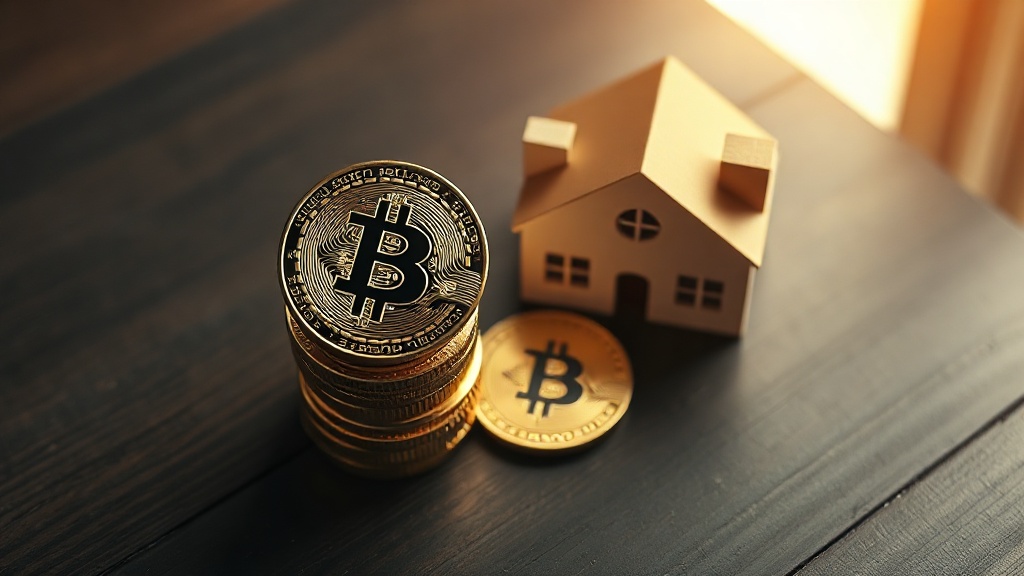
Challenges and Risks of Bitcoin Home Mortgages
One of the most significant challenges of Bitcoin-backed mortgages is the inherent volatility of the asset. Over the past year, Bitcoin has experienced fluctuations exceeding 60%, which can create instability for borrowers and lenders alike. This unpredictability means that a homeowner's equity could drastically change within weeks or even days. Such rapid shifts complicate budgeting for mortgage payments and can lead to negative equity situations, where the outstanding loan exceeds the home’s value.
Regulatory concerns also loom large over this innovative mortgage structure. The U.S. government has been actively developing frameworks to regulate cryptocurrency, particularly in finance and real estate. Current guidelines are not fully established, creating uncertainty for both borrowers and lenders. For instance, if regulations tighten or significant changes occur in policy regarding crypto transactions, it could disrupt existing contracts and affect property ownership rights tied to digital currencies.
Another potential issue lies in appraisals and valuations of properties purchased with Bitcoin. Traditional appraisal methods may not easily adapt to a market where transactions are conducted in cryptocurrency. Real estate professionals typically rely on stable currency values to determine property worth accurately. If a homeowner's loan is denominated in BTC, appraisers may face challenges interpreting market data, leading to inconsistencies in home valuations. This discrepancy could result in over- or under-valued properties, further complicating the mortgage process.
Additional Concerns
- Liquidity Issues: In a market downturn, converting Bitcoin to cash for mortgage payments may become challenging.
- Tax Implications: Transactions involving cryptocurrency can trigger capital gains taxes, which homeowners need to account for when selling their property.
- Market Acceptance: As this mortgage model is relatively new, there may be limited acceptance among real estate agents and sellers.
The intersection of cryptocurrency and real estate is undoubtedly intriguing but fraught with challenges that potential homeowners must navigate carefully. Understanding these risks is crucial for anyone considering a Bitcoin-backed mortgage.
The Future of Bitcoin in the Real Estate Market
The integration of Bitcoin into the real estate market is poised for significant growth over the next few years. By 2025, it's projected that over 15% of real estate transactions in the U.S. could involve cryptocurrency in some capacity. This shift is fueled by increasing acceptance among buyers and sellers, as well as advancements in technology that facilitate these transactions. As more homebuyers seek alternative financing options, Bitcoin-backed mortgages may become a standard feature, reshaping how homes are purchased.
Fannie Mae's move to back Bitcoin home mortgages could prompt other financial institutions to follow suit, creating a ripple effect throughout the housing sector. Traditional banks may feel pressured to adapt their lending practices and explore similar cryptocurrency-backed products to remain competitive. This competition could lead to lower interest rates and more flexible terms for consumers, making home ownership more accessible. As institutions recognize the demand for digital asset integration, we may see partnerships between banks and crypto platforms that streamline the mortgage process.
The evolving landscape of regulations will also play a crucial role in shaping Bitcoin's future in real estate. Currently, there are varying degrees of acceptance across states regarding cryptocurrency transactions. As federal regulations begin to standardize how cryptocurrencies are treated legally and financially, this will provide more clarity for buyers and lenders alike. Enhanced regulatory frameworks could encourage more participants to engage with Bitcoin in real estate transactions, ensuring consumer protection while fostering innovation.
Potential Challenges Ahead
Despite the promising outlook, several challenges lie ahead for Bitcoin's integration into home buying. Price volatility remains a significant concern; fluctuations in BTC value could complicate transaction processes and affect buyer confidence. Additionally, regulatory uncertainties might deter some investors from utilizing digital currencies for property purchases until more stable guidelines are established. The path forward will require collaboration among stakeholders—government agencies, financial institutions, and cryptocurrency platforms—to foster an environment where Bitcoin can thrive in the real estate market.
Ultimately, as Fannie Mae's initiative gains traction and other financial players respond positively, the landscape of home buying may transform dramatically by 2025. With increased adoption rates and evolving regulations, Bitcoin could emerge as a mainstream financing option that reshapes not only how people buy homes but also how they view wealth and investment.
What are Fannie Mae-backed Bitcoin home mortgages?
Fannie Mae-backed Bitcoin home mortgages are financial products that integrate the use of Bitcoin in the process of securing a home loan. These mortgages aim to leverage the value of Bitcoin while providing traditional mortgage support, helping to bridge the gap between digital currency and real estate financing.
How can I use Bitcoin to buy a house?
To use Bitcoin for purchasing a house, you need to find a lender or platform that accepts digital currency as part of their payment process. Typically, you would convert your Bitcoin into fiat currency through an exchange like Coinbase or Kraken, then use those funds for the purchase. It's important to work with financial advisors and legal experts familiar with cryptocurrency transactions.
What are the risks of Bitcoin home mortgages?
The primary risks include price volatility, which can affect the value of your investment, and regulatory issues that may change how cryptocurrencies are treated in financial transactions. Potential investors should be prepared for these uncertainties and consider their risk tolerance before proceeding.
Will other lenders follow Fannie Mae's lead with Bitcoin mortgages?
As Fannie Mae's initiative gains traction, it is possible that other lenders will explore similar offerings. The response from other financial institutions will depend on factors like regulatory developments, market demand, and technological advancements in handling cryptocurrency transactions.
The Future of Bitcoin in Real Estate
The introduction of Fannie Mae-backed Bitcoin home mortgages marks a significant step toward integrating digital currency within the traditional real estate market. This move not only offers a new way for individuals to finance their homes but also challenges conventional views on wealth management and investment strategies. As more people become comfortable with cryptocurrency, its role in real estate is likely to expand.
However, the road ahead is not without obstacles. Price volatility and regulatory uncertainties pose challenges that stakeholders must address collaboratively. By establishing clear guidelines and fostering innovation within this space, there is potential for widespread adoption of Bitcoin as a viable financing tool by 2025. This evolution could significantly alter how homes are bought and financed in the United States, making digital assets an integral part of personal finance.
Ultimately, as financial institutions adapt to these changes, consumers may find themselves with more diverse options when it comes to purchasing property. The shift towards incorporating Bitcoin into real estate transactions underscores a broader trend of embracing technological advancements across industries, setting the stage for future innovations in finance.