
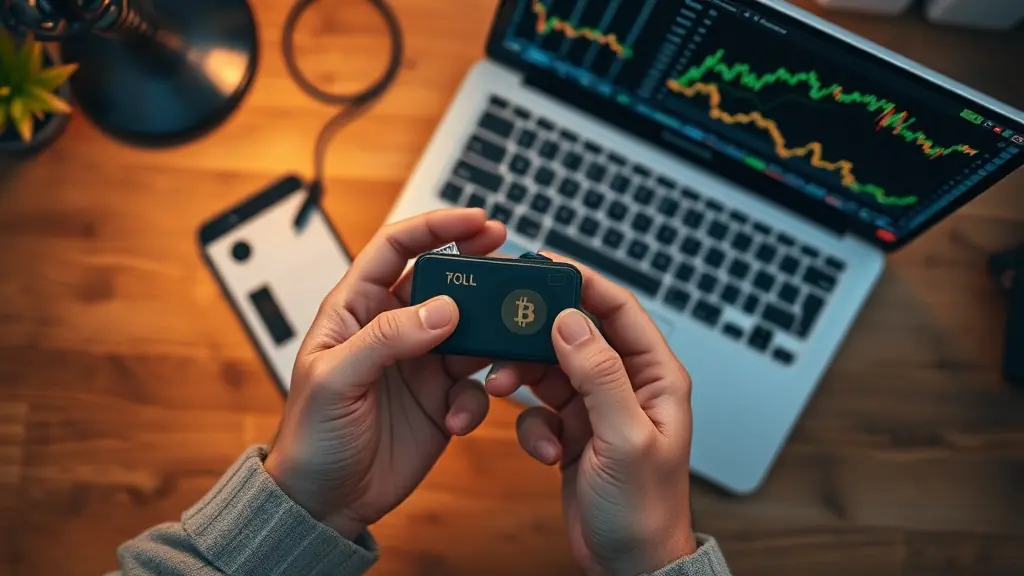
The top 5 best crypto wallets for beginners in 2026 include Coinbase Wallet, Binance Wallet, Exodus, Ledger Nano X, and Trezor Model T. Coinbase Wallet is user-friendly and integrates with the Coinbase exchange, making it ideal for USD transactions. Binance Wallet offers a wide range of cryptocurrencies and low fees. Exodus is known for its intuitive interface, while Ledger Nano X and Trezor Model T provide robust security for long-term storage. Choose a wallet that prioritizes security and ease of use for your crypto journey.
Are you new to cryptocurrency and unsure which wallet to choose for your first purchase in 2026? With a myriad of options out there, picking the right crypto wallet can be daunting, especially when you're just starting. You want something user-friendly, secure, and packed with essential features to safeguard your digital assets. This guide on the top 5 best crypto wallets for beginners in 2026 will help you make an informed choice, ensuring your crypto journey starts on the right foot. Ready to dive into the world of digital currency with confidence?
Why Choosing the Right Crypto Wallet Matters for Beginners
Selecting the right crypto wallet is essential for anyone new to digital currencies. Over 60% of new users encounter difficulties stemming from their choice of a wallet, which can lead to frustration and potential financial losses. A well-chosen device not only safeguards your assets but also simplifies the entire experience of managing cryptocurrencies. This is particularly important for beginners who may already feel overwhelmed by the complexities of the crypto space.
Security features are one of the primary reasons why selecting a suitable key store is critical. With cyber threats on the rise, having robust security measures in place can make a significant difference in protecting your investment. Look for wallets that offer features like two-factor authentication (2FA), biometric access, and encryption. Hardware wallets, such as the Ledger Nano X or Trezor Model T, provide an extra layer of security by storing your private keys offline, making them less susceptible to hacking.
Ease of use is another crucial factor for beginners. Many new users may not be familiar with blockchain technology or how transactions work, so having a user-friendly interface can greatly enhance their experience. Wallets like Coinbase Wallet and Trust Wallet are designed with beginners in mind, providing intuitive navigation and straightforward setup processes. This simplicity allows users to focus on learning about cryptocurrencies rather than struggling with complicated software.
Compatibility with various cryptocurrencies is also an important consideration when choosing a wallet. Not all wallets support every digital asset, and beginners may want to explore multiple coins beyond Bitcoin or Ethereum. A versatile key store allows users to manage different assets from one location, which not only saves time but also enhances convenience. When selecting a wallet, ensure it supports the specific cryptocurrencies you plan to invest in.
In summary, choosing the right crypto wallet can significantly impact your experience as a beginner in the crypto world. Prioritizing security features, ease of use, and compatibility will help you avoid common pitfalls and set you on the path to successful cryptocurrency management.
Top 5 User-Friendly Crypto Wallets for Beginners in 2026
For newcomers to the crypto space, selecting a wallet that balances ease of use with essential features is crucial. The Coinbase Wallet stands out as an exceptional choice, especially for those already using the Coinbase exchange. This wallet allows for seamless integration, making it easy to transfer assets between the two platforms. Notably, it supports over 100 cryptocurrencies, including major coins like Bitcoin and Ethereum, ensuring users can manage a diverse portfolio effortlessly.
Another excellent option is Trust Wallet, which is perfect for mobile users. Its user-friendly interface allows beginners to navigate through features with ease, whether they're sending or receiving funds. Trust Wallet supports more than 60 cryptocurrencies and tokens, enabling users to explore various digital assets without feeling overwhelmed. Additionally, the wallet's built-in Web3 browser grants access to decentralized applications (dApps), opening up a world of possibilities for users interested in blockchain technology.
MetaMask is another highly regarded wallet in the beginner-friendly category. This tool excels at providing access to decentralized applications on the Ethereum network. With its intuitive interface and robust security features, it's a top pick for those wanting to dive into DeFi or NFTs. MetaMask supports numerous cryptocurrencies and tokens, primarily focusing on ERC-20 tokens. This flexibility allows users to engage in various activities within the Ethereum ecosystem while keeping their assets secure.
For those prioritizing security, the Ledger Nano X is a premier hardware wallet option. This device offers advanced security features such as secure chip technology and Bluetooth connectivity for mobile use. Supporting over 1,800 cryptocurrencies ensures that users can store a wide range of digital assets safely. The Ledger Nano X's intuitive app also makes managing multiple wallets straightforward, appealing to both beginners and seasoned users alike.
Finally, the Trezor Model T serves as another excellent hardware wallet choice due to its user-friendly touchscreen interface. The device is designed with beginners in mind while still offering top-notch security features like PIN protection and recovery seed backup options. Like its counterpart, it supports a vast array of cryptocurrencies—over 1,800—making it suitable for users looking to diversify their holdings securely.
How to Set Up Your First Crypto Wallet: A Step-by-Step Guide
Setting up your first crypto wallet is a straightforward process that can be accomplished in just a few steps. The first thing you need to do is choose a wallet that fits your needs. For beginners, software wallets like Coinbase Wallet or Trust Wallet are user-friendly options. Once you've selected a wallet, download the app or create an account on the website. You’ll typically need to provide an email address and create a strong password to secure your account.
After creating your account, it’s crucial to enhance its security. One of the best ways to do this is by enabling two-factor authentication (2FA). This adds an extra layer of protection by requiring a second form of verification, such as a code sent to your mobile device. To enable 2FA, navigate to the security settings in your wallet and follow the prompts to link your phone number or use an authentication app like Google Authenticator.
Next, it’s important to understand the difference between private and public keys. Your public key acts like your bank account number; it’s safe to share this with others so they can send you funds. However, your private key is akin to your PIN—keeping it secret is vital for securing your assets. Most wallets will generate these keys for you, but make sure to back up your private key securely offline. Losing access to this key means losing control over your funds.
Once you've set up your wallet and secured it with 2FA, you can start transferring funds into it. Depending on the wallet type, you may have different options for funding it. If you're using a software wallet, you can usually buy crypto directly through the app using linked bank accounts or credit cards. Alternatively, you can transfer assets from exchanges like Kraken or Crypto.com by entering your wallet’s public address in their withdrawal section.
After initiating the transfer, always double-check that you've entered the correct address before submitting the transaction. Funds typically arrive within minutes, but depending on network congestion, it might take longer. Once they arrive, you'll see the balance reflected in your wallet interface.

Common Mistakes Beginners Make with Crypto Wallets
One of the most significant mistakes beginners make is neglecting security measures. Many new users underestimate the importance of safeguarding their assets, often opting for convenience over protection. They might choose simple passwords or fail to enable two-factor authentication (2FA). A study found that 30% of users lose access to their wallets due to inadequate backups or poor security practices. This oversight can lead to devastating losses, as recovering lost funds is often impossible in the crypto space.
Another common pitfall is failing to back up wallet information. Many beginners assume that their wallet will always be accessible, but this isn’t the case. Hardware failures, accidental deletions, or even forgotten passwords can lock users out of their funds. It’s essential to create secure backups of recovery phrases and private keys. Without these backups, users risk losing their investments permanently. In fact, a staggering number of first-time users don't realize that losing access to their backup can result in total loss.
Choosing a wallet that doesn’t suit their needs is another frequent error. Beginners might jump into using a hardware wallet when a mobile wallet would suffice for their trading habits or vice versa. Each type of wallet has its specific advantages and drawbacks; for instance, hardware wallets like Ledger Nano X offer robust security for long-term storage but can be less convenient for everyday transactions. Conversely, software wallets such as Coinbase Wallet and Trust Wallet provide ease of use but may not have the same level of security as hardware options.
Tips for Avoiding Common Mistakes
- Prioritize Security: Always use strong passwords and enable 2FA on your wallets.
- Regular Backups: Keep multiple copies of your recovery phrases in secure locations.
- Select the Right Wallet: Research different types of wallets and choose one that aligns with your trading style and security needs.
Avoiding these common mistakes will help beginners navigate the crypto landscape more effectively and protect their investments from potential risks.
Best Practices for Keeping Your Crypto Wallet Secure
Securing your crypto assets starts with regularly updating your wallet software. Developers frequently release updates to patch vulnerabilities and enhance security features. By keeping your software current, you minimize the risk of exploitation by hackers who may target outdated systems. Make it a habit to check for updates at least once a month, or enable automatic updates if available. This simple step goes a long way in ensuring your funds remain protected.
Another key practice is using strong, unique passwords for your wallet and associated accounts. Avoid common phrases or easily guessable information like birthdays. Instead, create a password that combines upper and lower-case letters, numbers, and special characters. A passphrase can also be effective; consider using a memorable sentence that includes random words. Tools like password managers can help generate and store complex passwords securely, reducing the risk of unauthorized access.
If you're storing significant amounts of cryptocurrency—specifically over $1,000—consider investing in a hardware wallet. These devices provide an added layer of security by storing your private keys offline, making them less susceptible to online threats such as phishing attacks or malware. Models like the Ledger Nano X or Trezor Model T are popular choices among users seeking robust protection for their assets. While they require an upfront cost, the peace of mind they offer is invaluable for serious investors.
Additional Security Measures
In addition to the above practices, consider enabling two-factor authentication (2FA) on all accounts related to your crypto transactions. This adds another layer of security by requiring a second form of verification before access is granted. Furthermore, be cautious when accessing your wallet from public Wi-Fi networks; use a virtual private network (VPN) to encrypt your connection and protect against potential eavesdropping.
Finally, always back up your wallet data securely and store recovery phrases in a safe place. This ensures that you can regain access to your funds even if you lose your device or encounter technical issues. By following these best practices, you can significantly enhance the security of your crypto wallet and better protect your investments.
What is the best crypto wallet for beginners in 2026?
For beginners in 2026, top recommended crypto wallets include Coinbase Wallet, Trust Wallet, and MetaMask. These wallets offer user-friendly interfaces and strong security features, making them ideal for newcomers to the crypto space.
How do I choose a crypto wallet?
When choosing a crypto wallet, consider factors such as security measures, ease of use, and the range of cryptocurrencies supported. It's important to select a wallet that aligns with your specific needs and comfort level with technology.
Are hardware wallets worth it for beginners?
Yes, hardware wallets like Ledger Nano X or Trezor Model T are worth considering for beginners due to their enhanced security features. They store private keys offline, offering protection against online threats and providing peace of mind.
Can I use multiple wallets for my crypto?
Absolutely, using multiple wallets is common among crypto enthusiasts. It allows you to diversify your storage solutions and manage different types of cryptocurrencies more effectively.
The Importance of Choosing the Right Crypto Wallet
Selecting the right crypto wallet is a crucial step for anyone looking to enter the world of digital currencies in 2026. The options available today provide varying levels of security and user experience tailored to different needs. Whether opting for a simple software solution like Coinbase Wallet or investing in a hardware wallet such as the Ledger Nano X, understanding the features that matter most to you is key.
Security remains a top priority as cyber threats continue to evolve. By implementing additional measures such as two-factor authentication and secure backups, users can significantly reduce risks associated with digital asset management. Ultimately, informed decisions about wallet selection can greatly enhance one's confidence and success in managing cryptocurrencies.
As the landscape of digital currencies continues to grow, staying informed about best practices will ensure you are well-equipped to protect your investments while enjoying the benefits that cryptocurrency has to offer. With careful planning and consideration, beginners can navigate this space with greater assurance and ease.